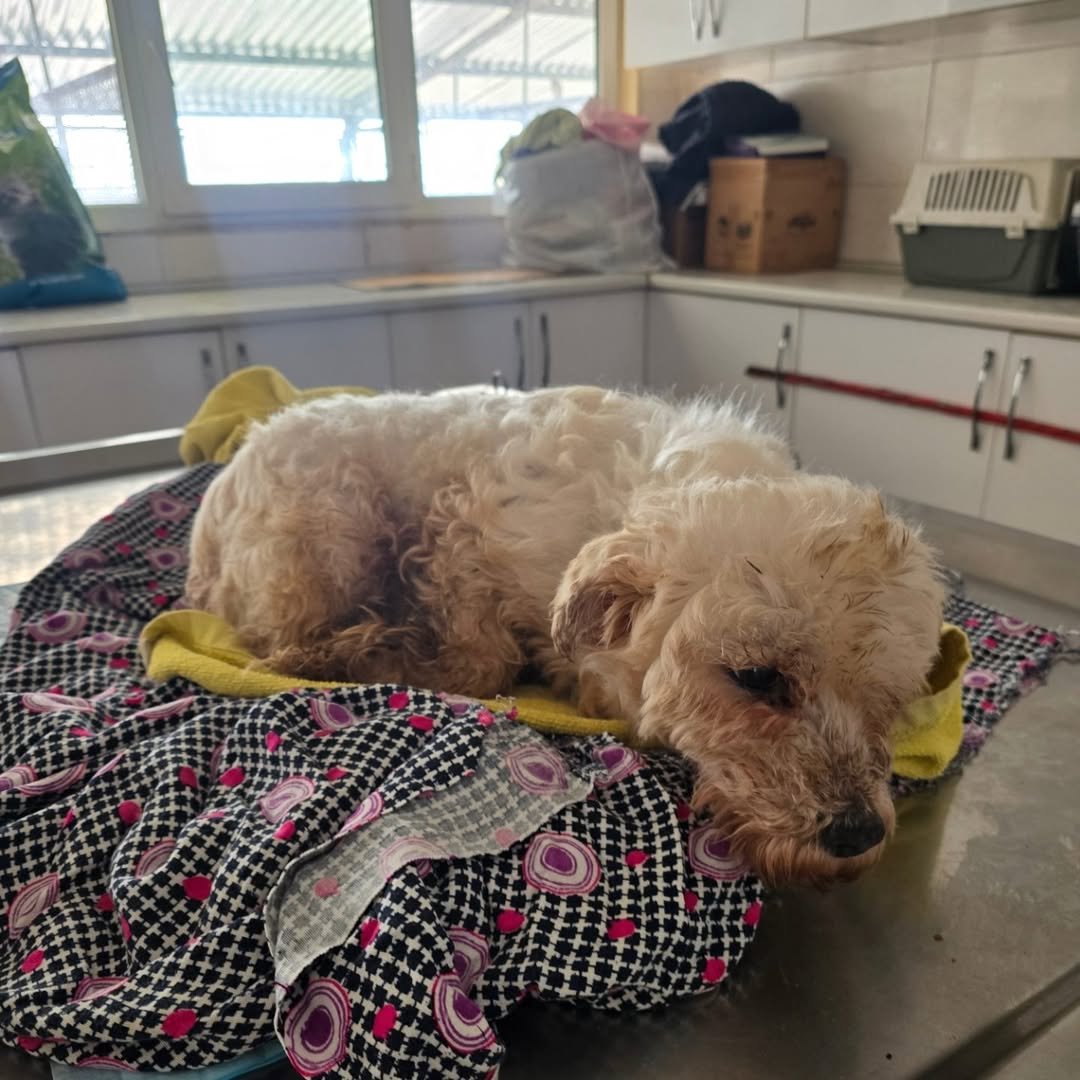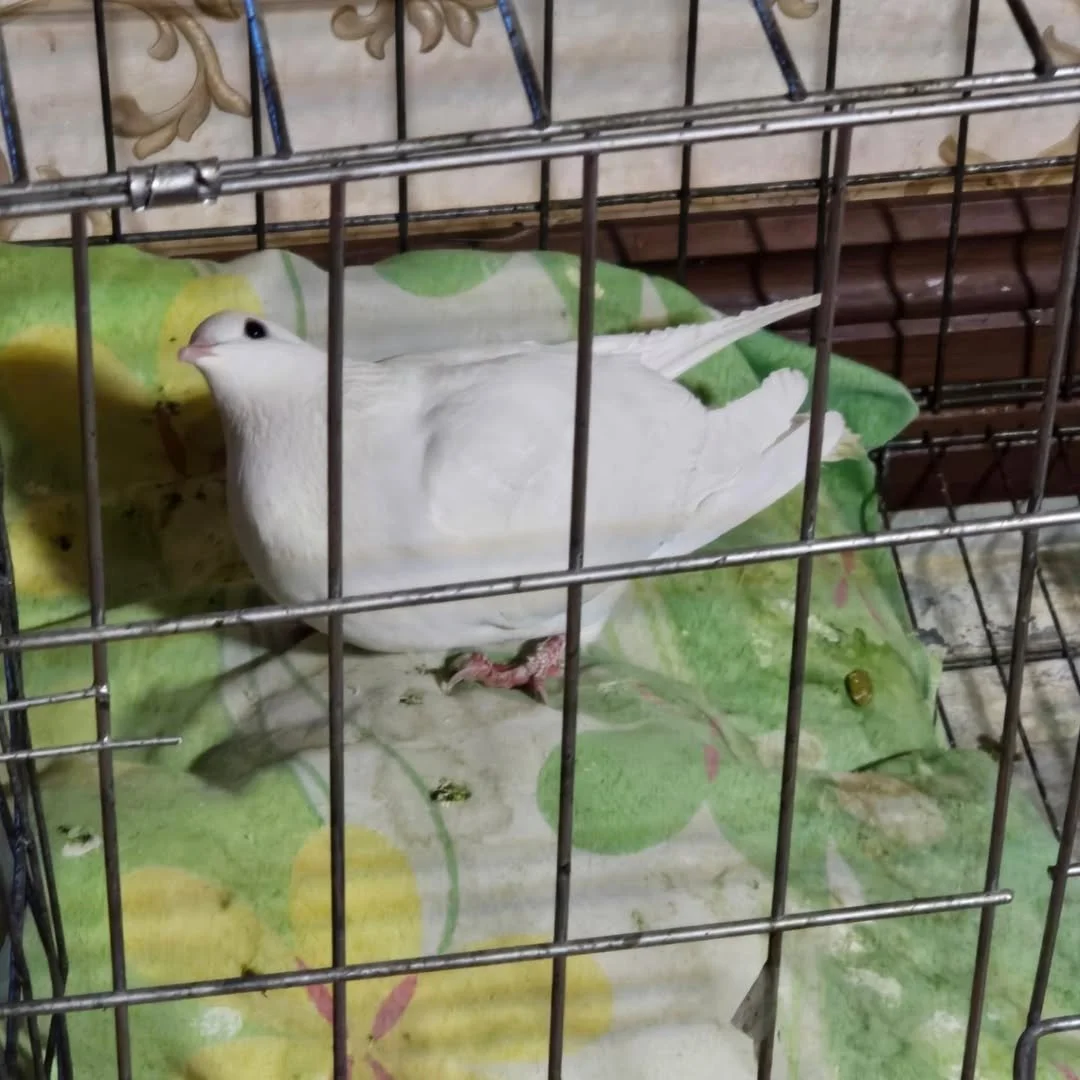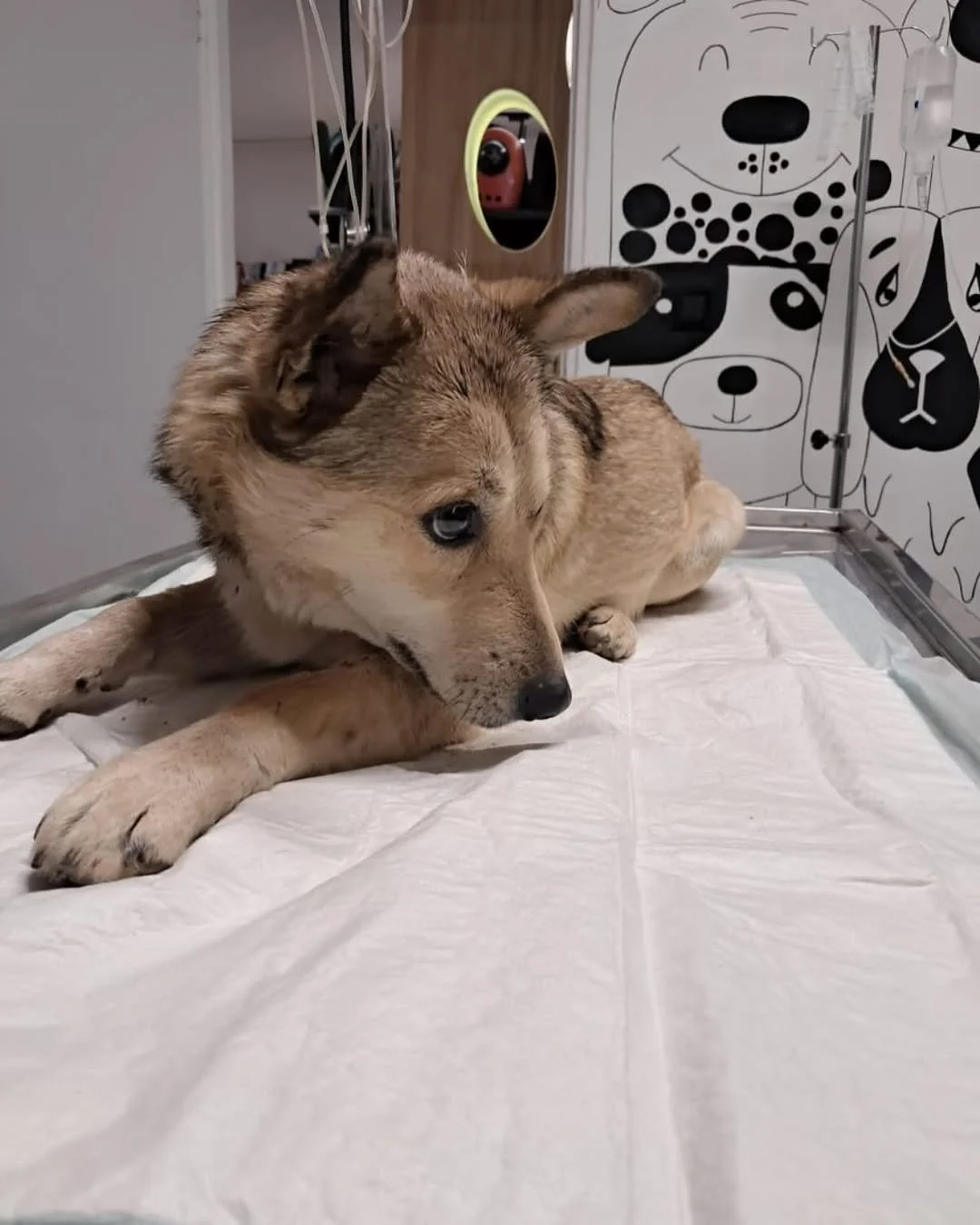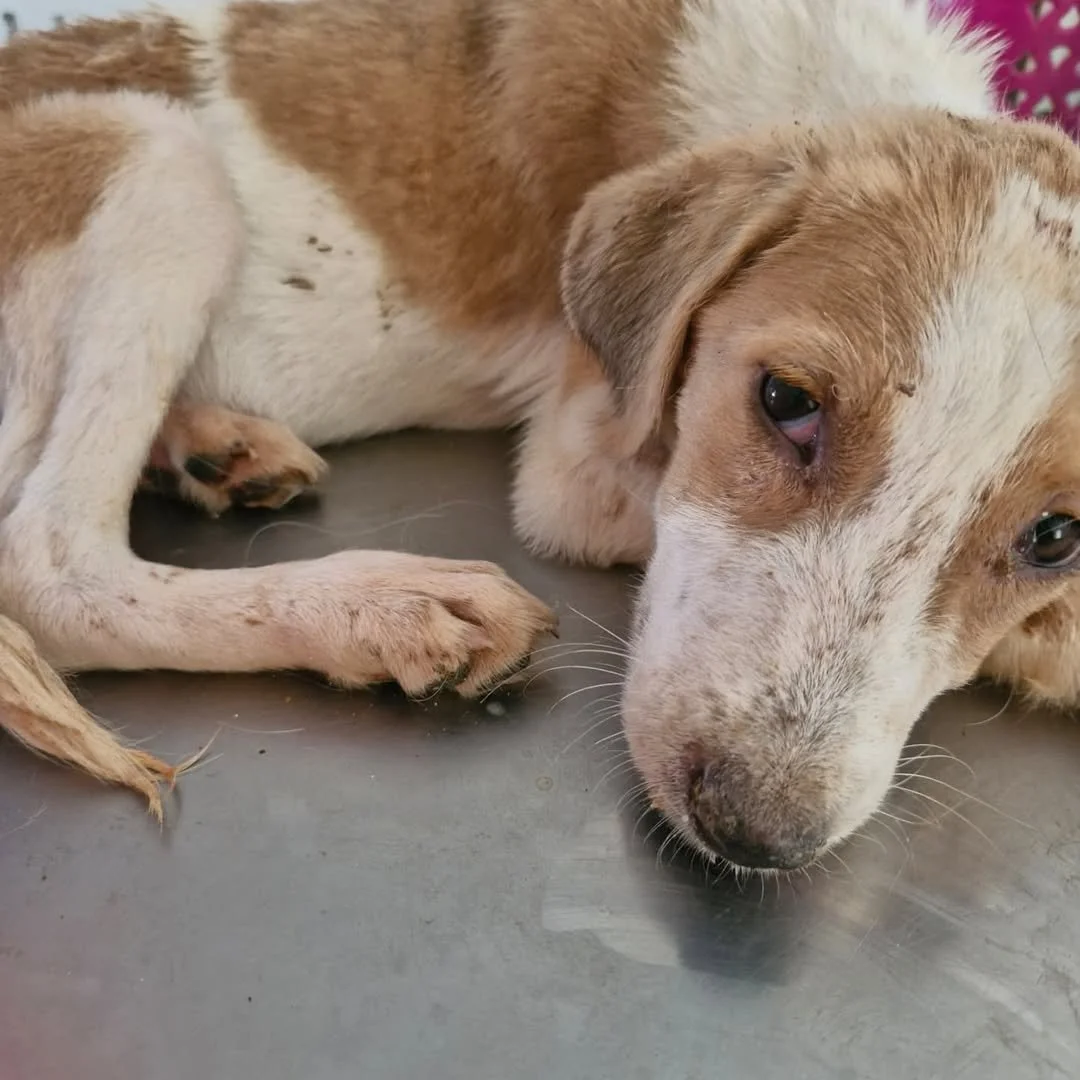
Pardis Shelter:
A Lifeline of Compassion Where It Is Needed Most.
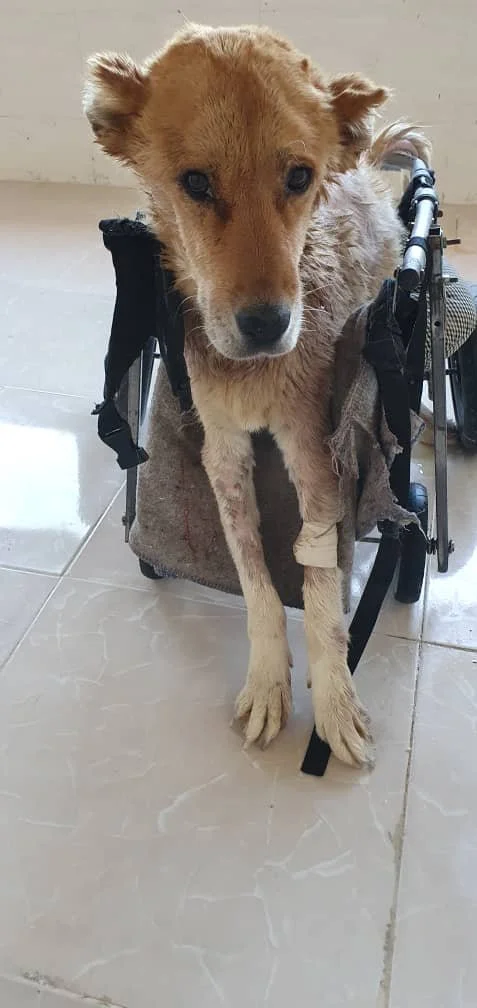
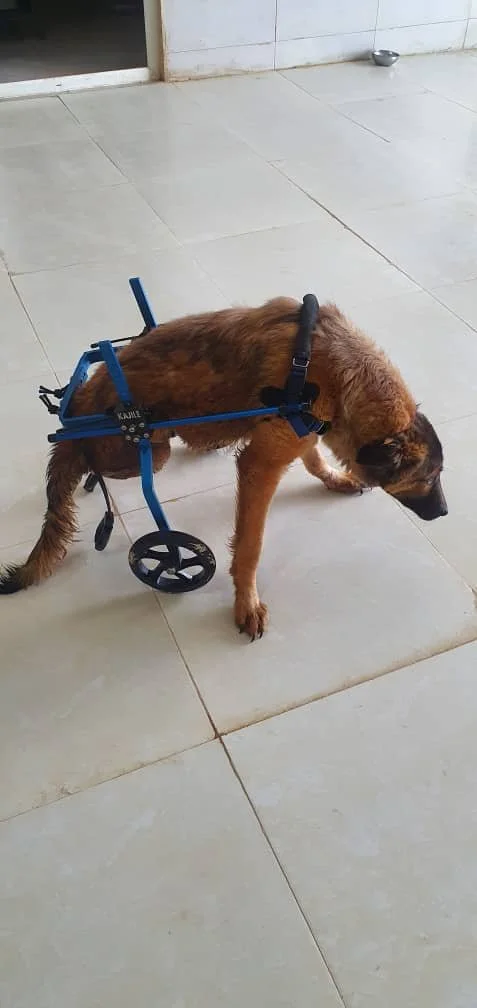
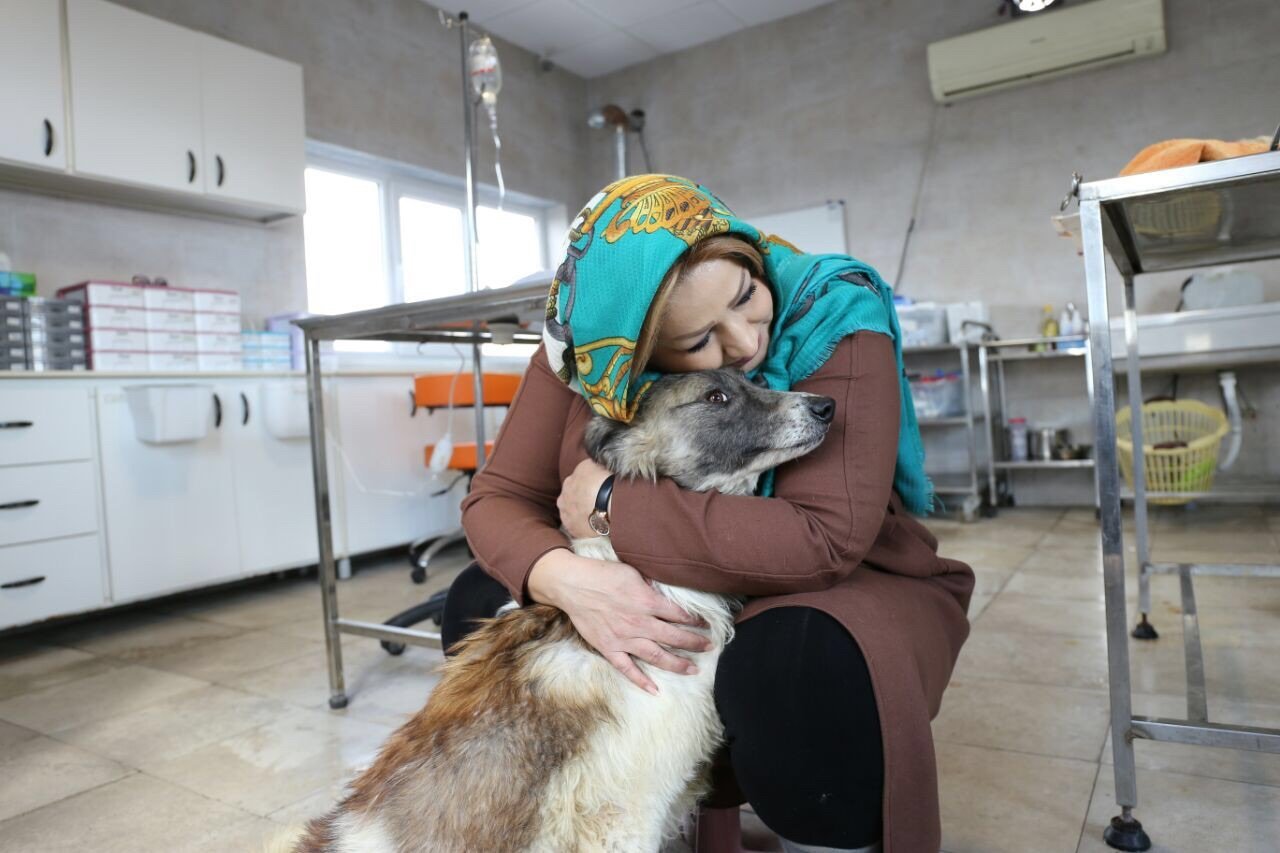
Founded by Ms. Zhila Pourirani, Pardis Shelter stands as one of the region’s few safe havens for abandoned, injured, and disabled animals — and one of its most courageous.
Legally registered under the name Tabriz Animal Protection Society, Pardis operates as a non-government organization (Registration No. 2742, National ID 14005810536) and is governed by an independent Board of Directors. The organization functions as a fully authorized, non-governmental, and non-political nonprofit dedicated solely to animal welfare and humanitarian care.
Zhila founded the shelter after a mass killing of hundreds of street dogs in the city of Tabriz — an event that shattered her heart but ignited a lifelong mission. Determined that no animal should suffer in silence again, she sold nearly all her belongings and jewelry to build a refuge on the outskirts of the city.
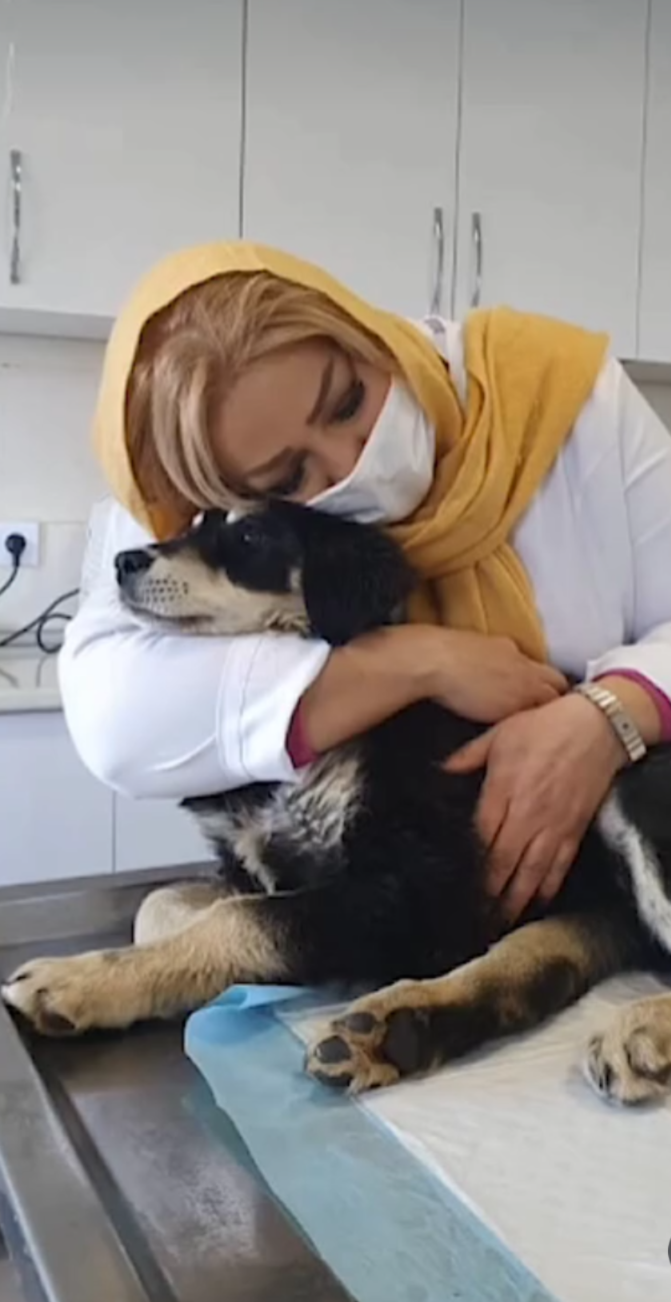
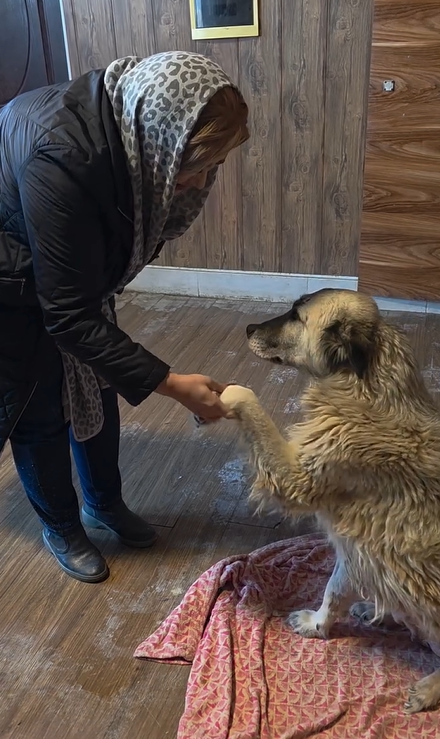
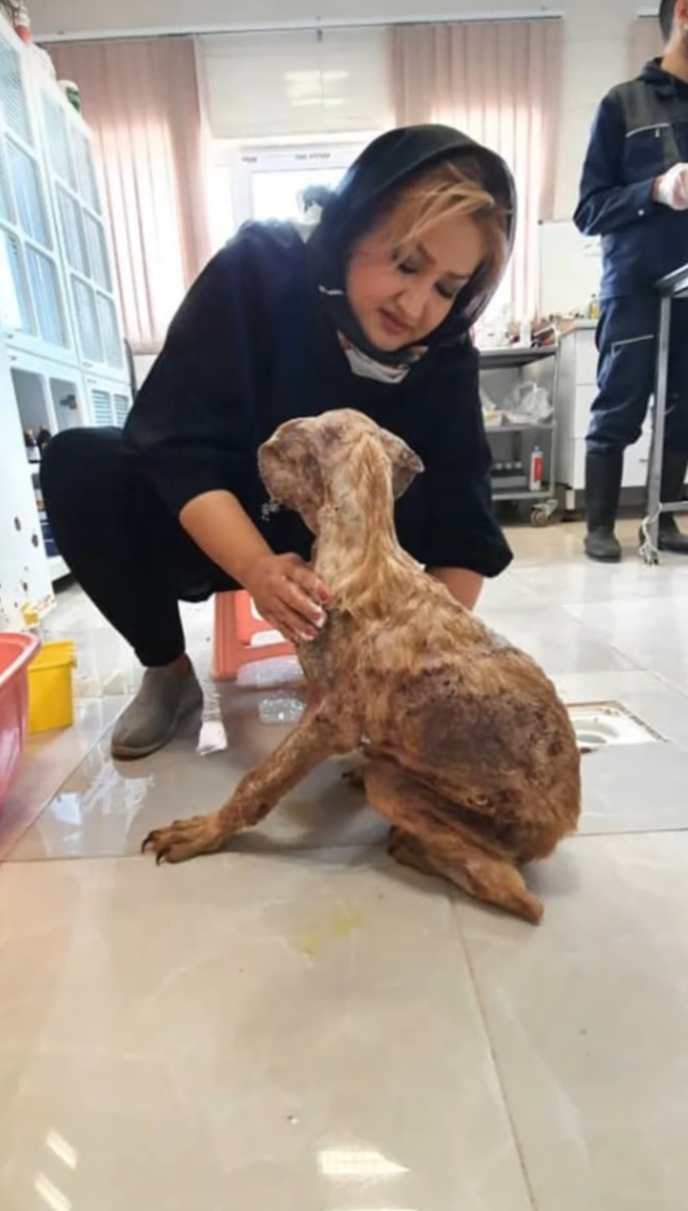
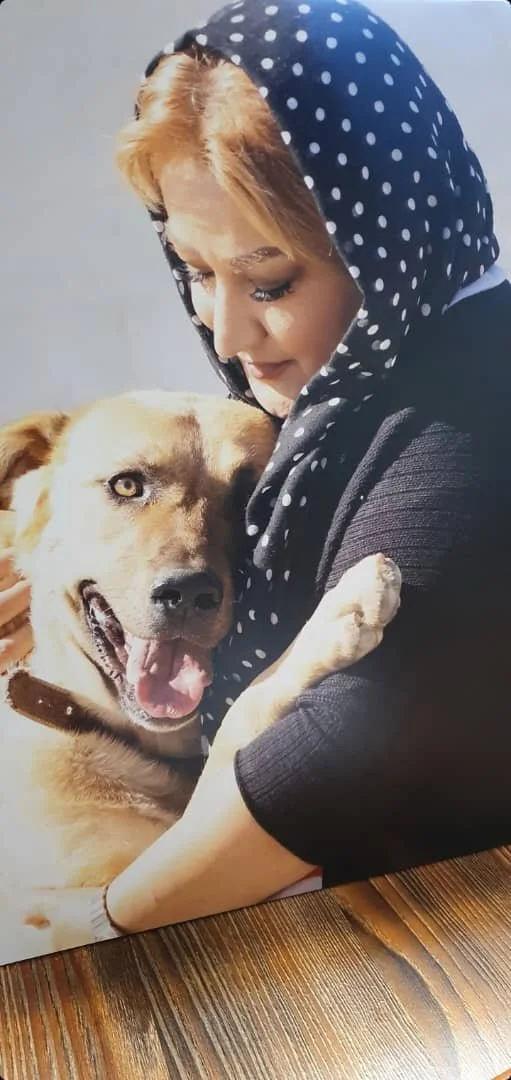
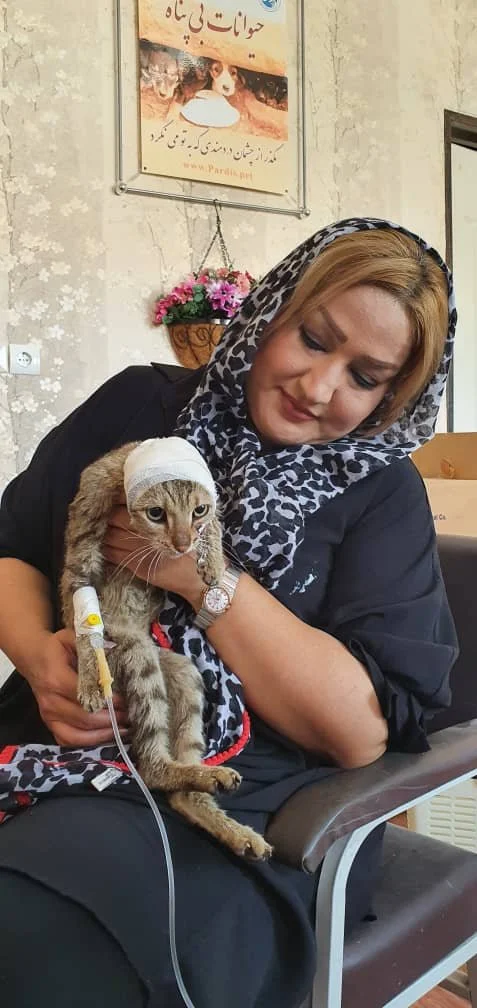
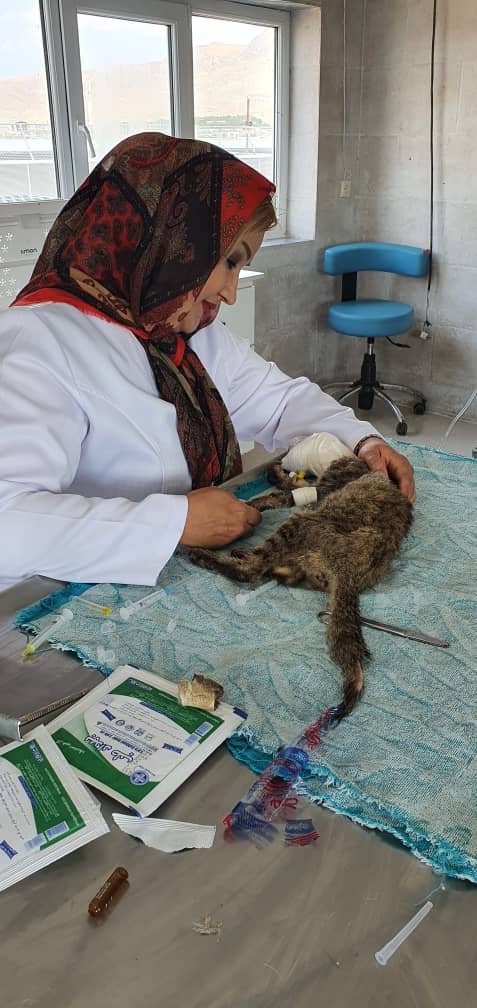
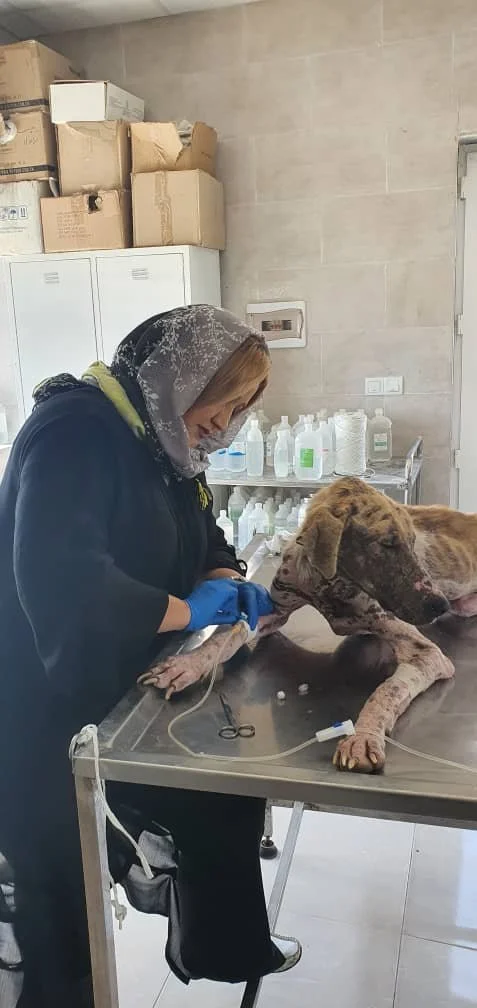
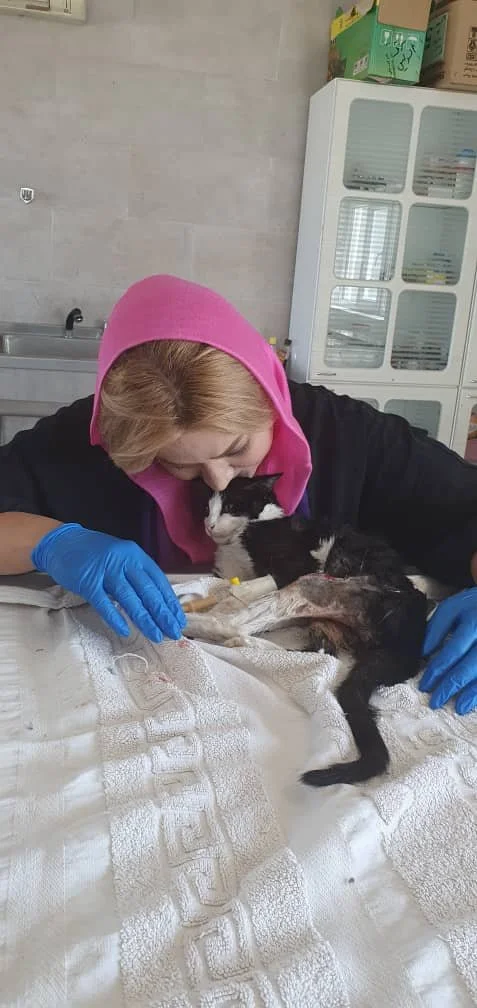
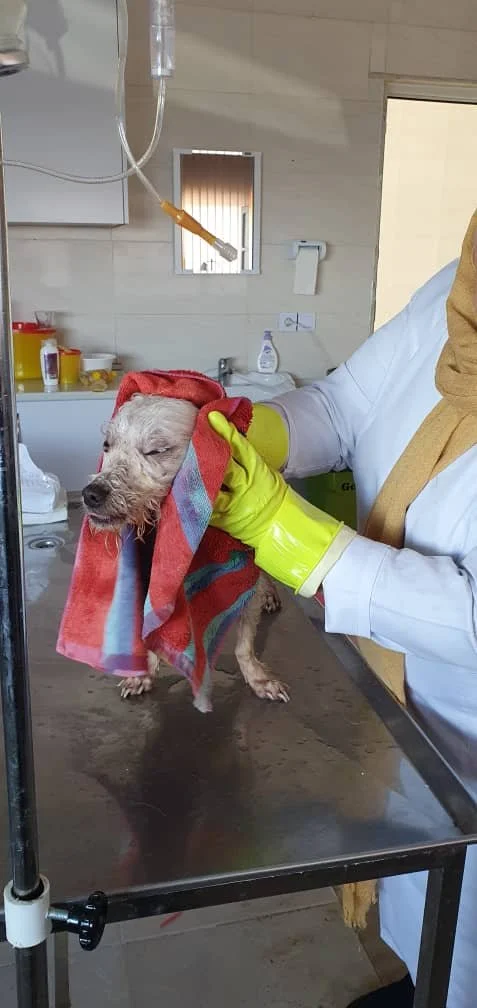
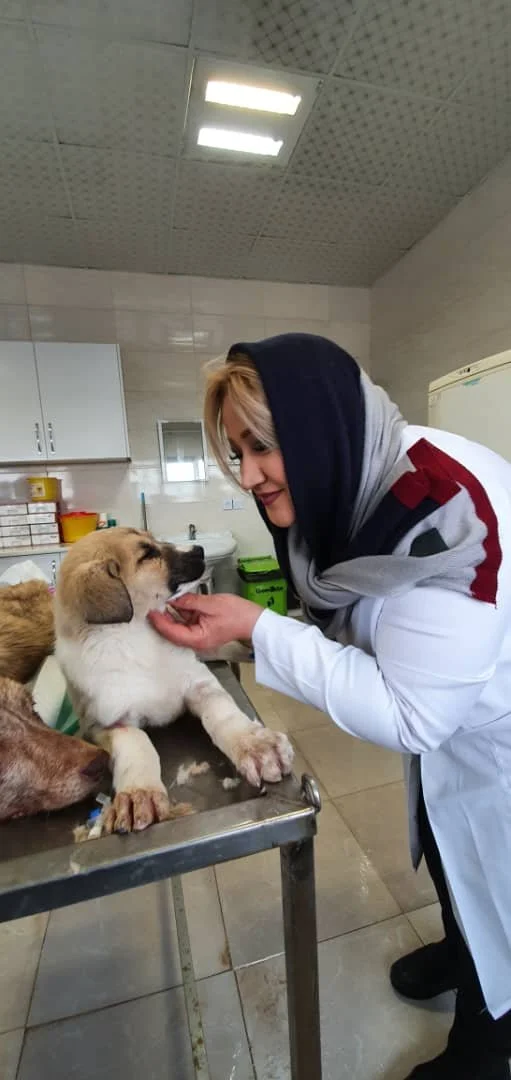
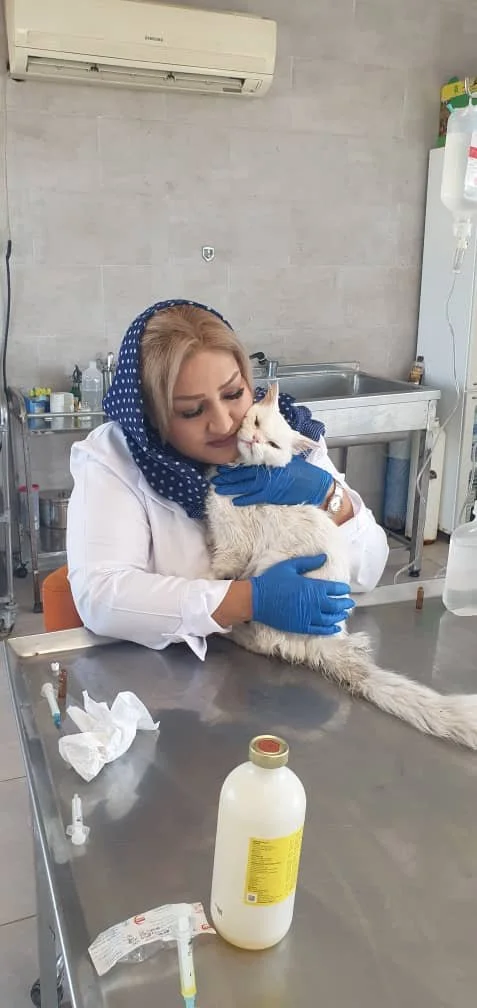
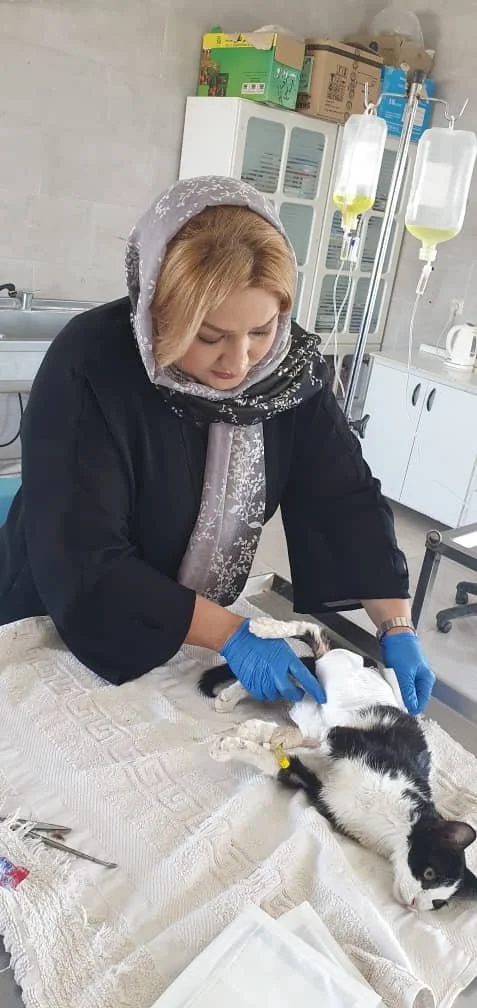
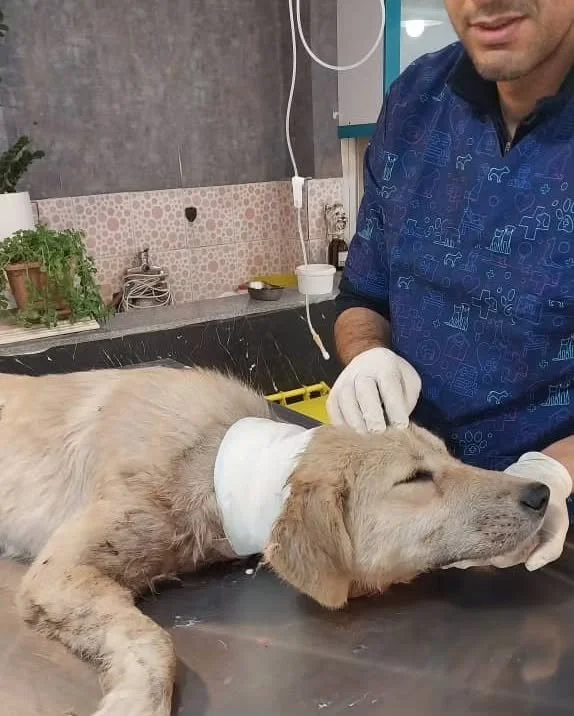
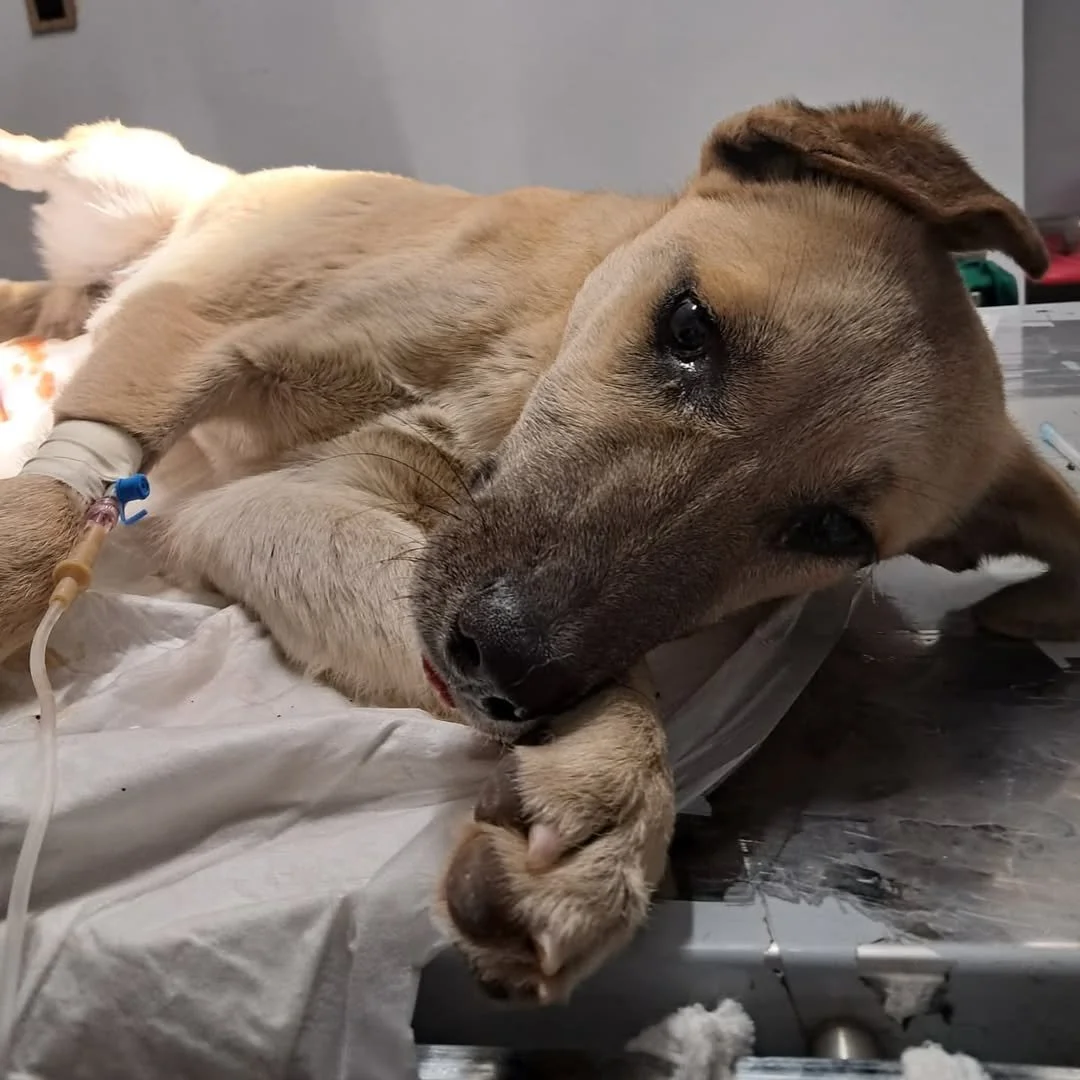
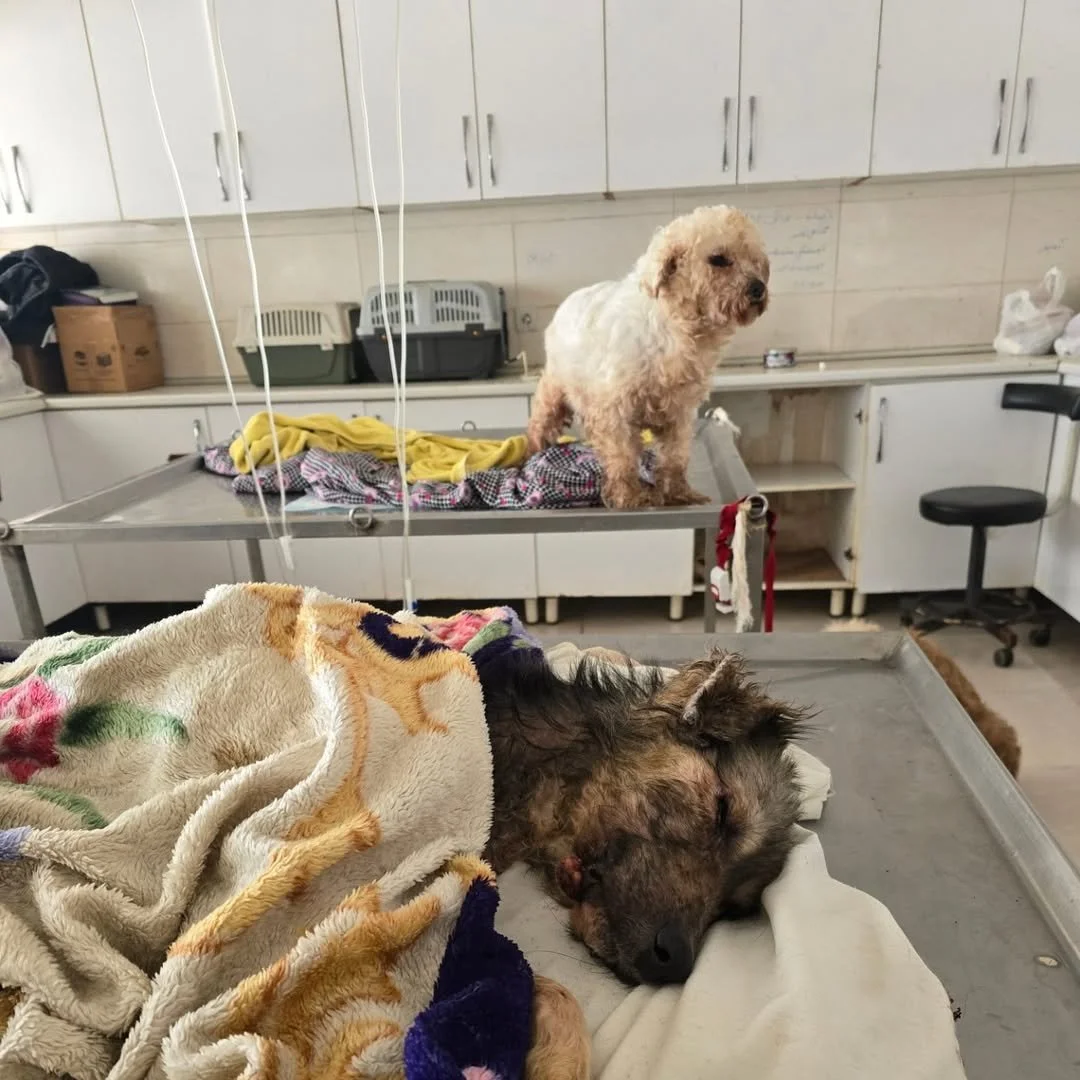
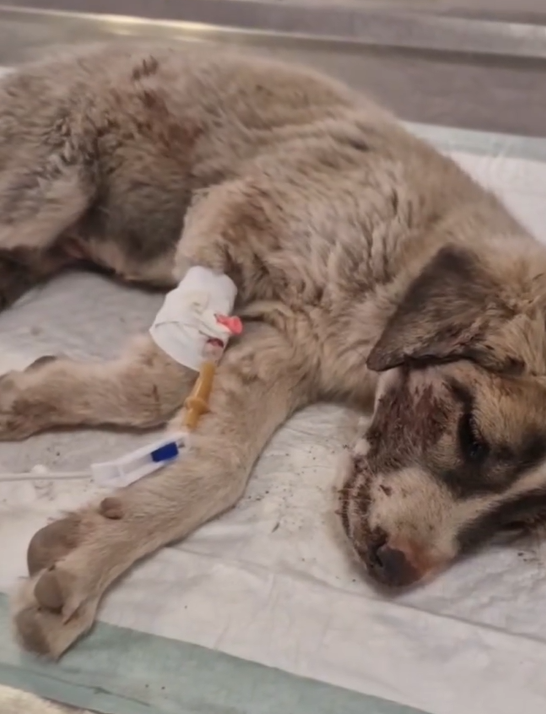
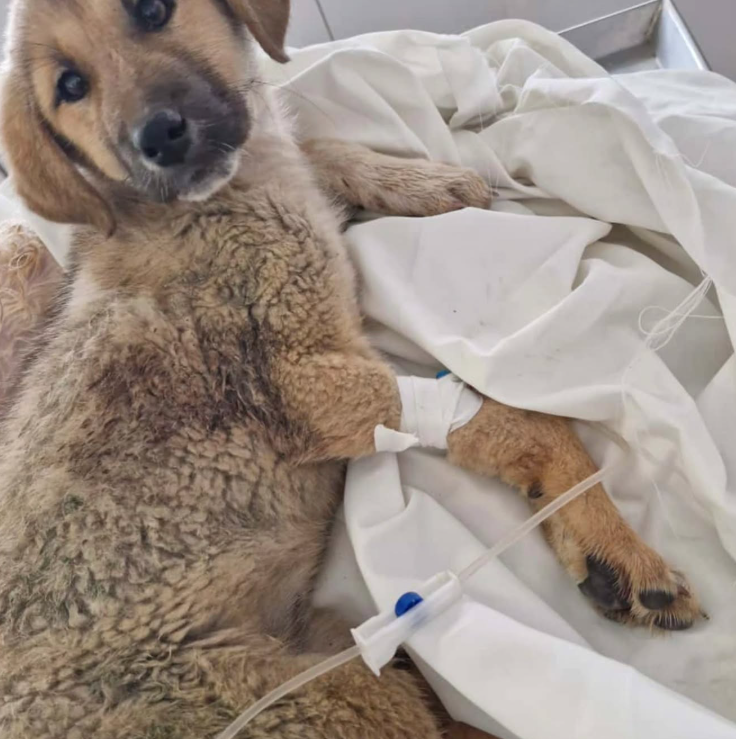
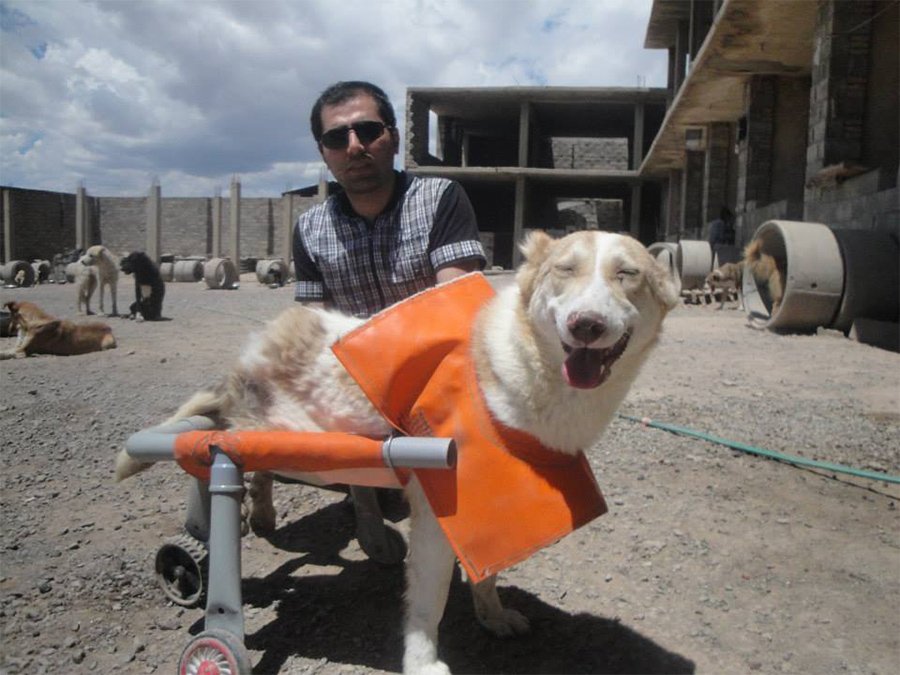
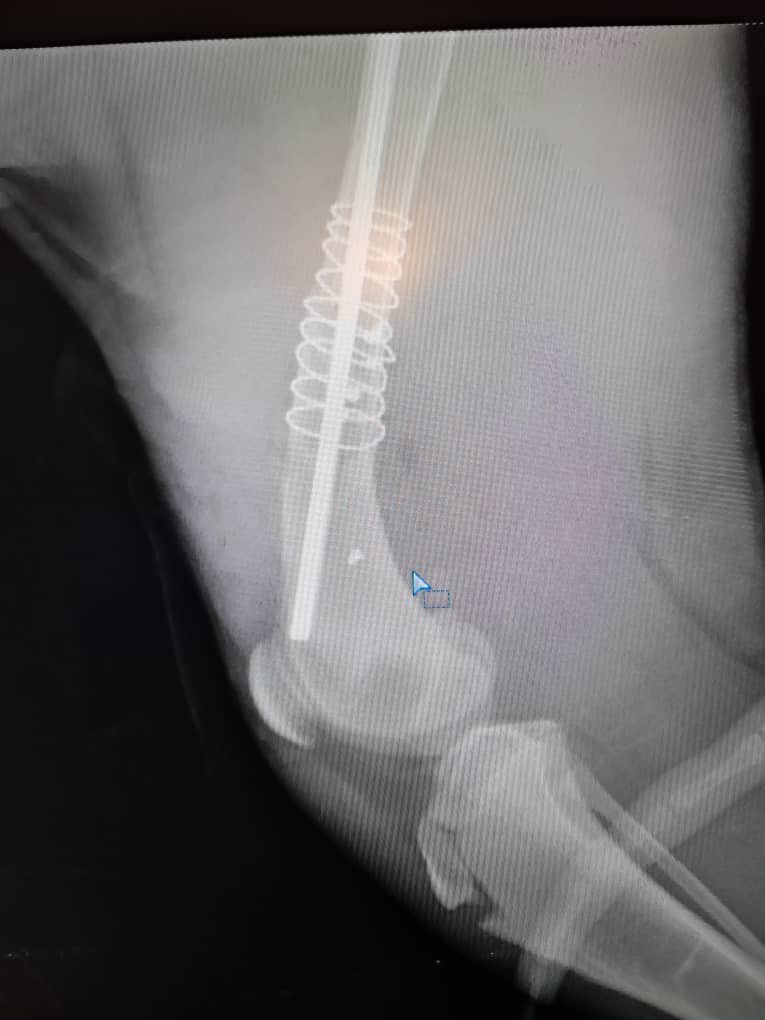
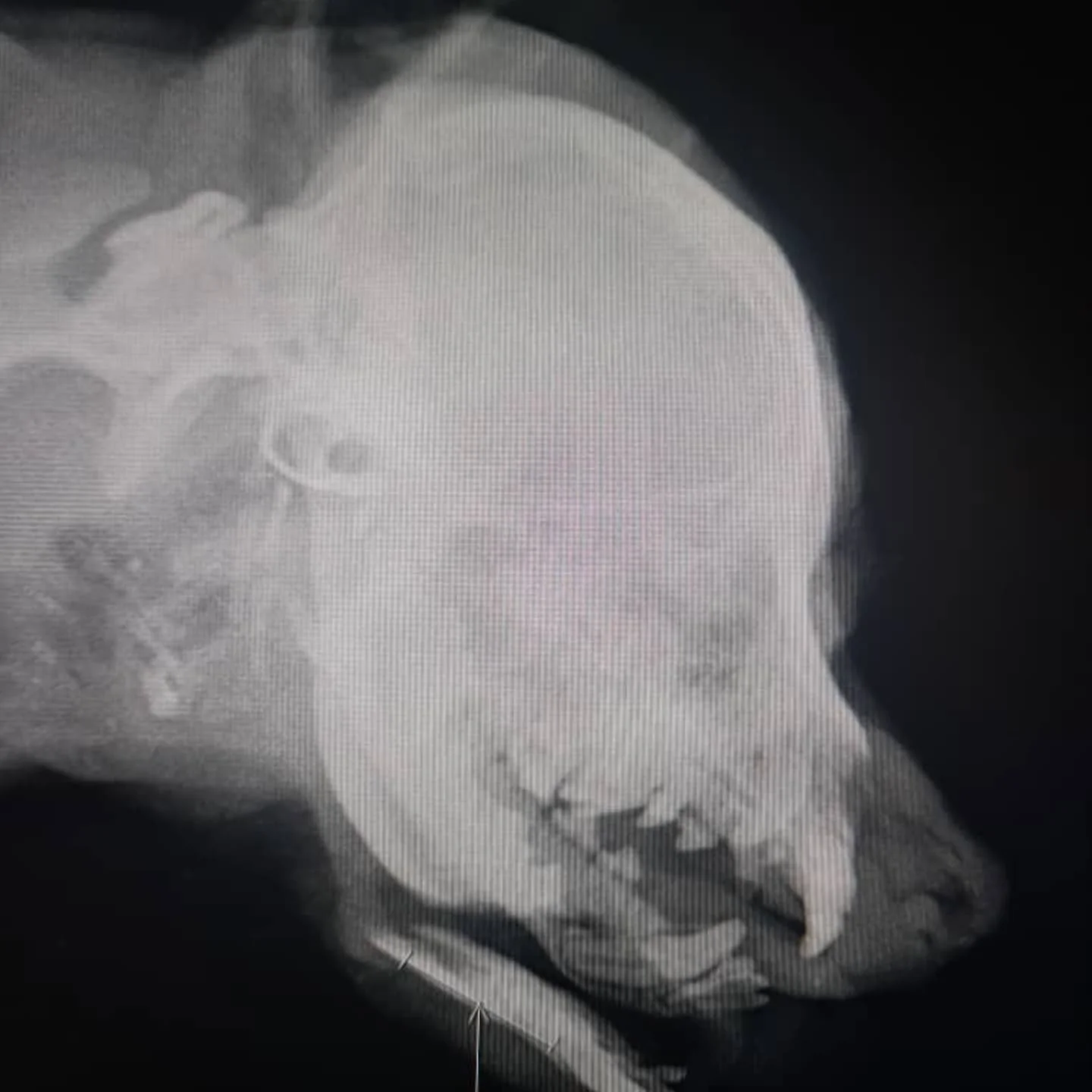
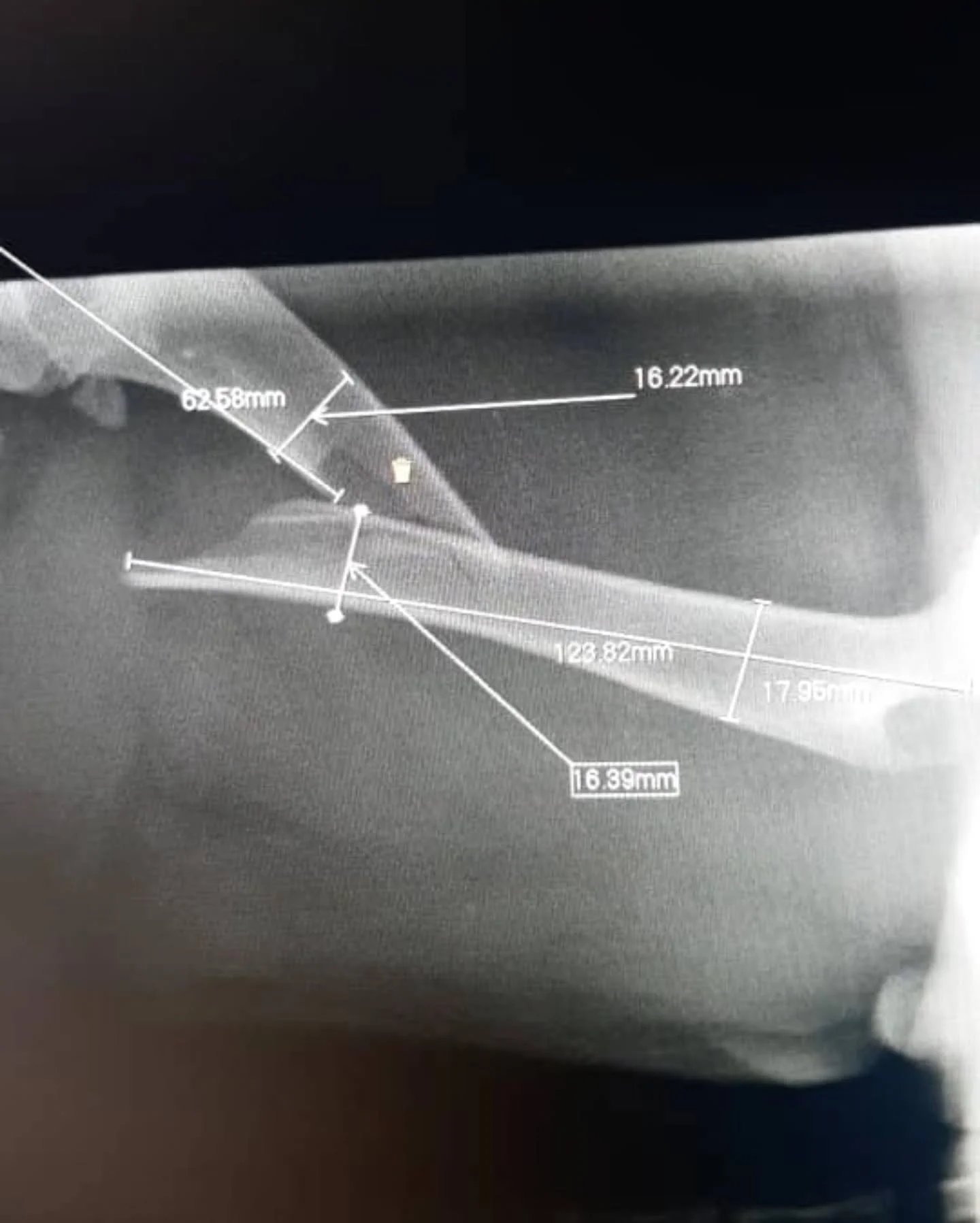
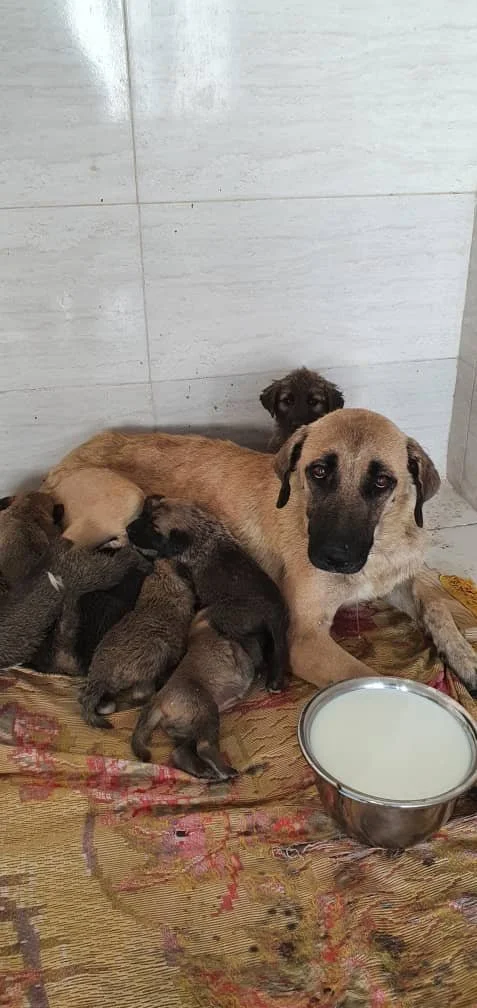
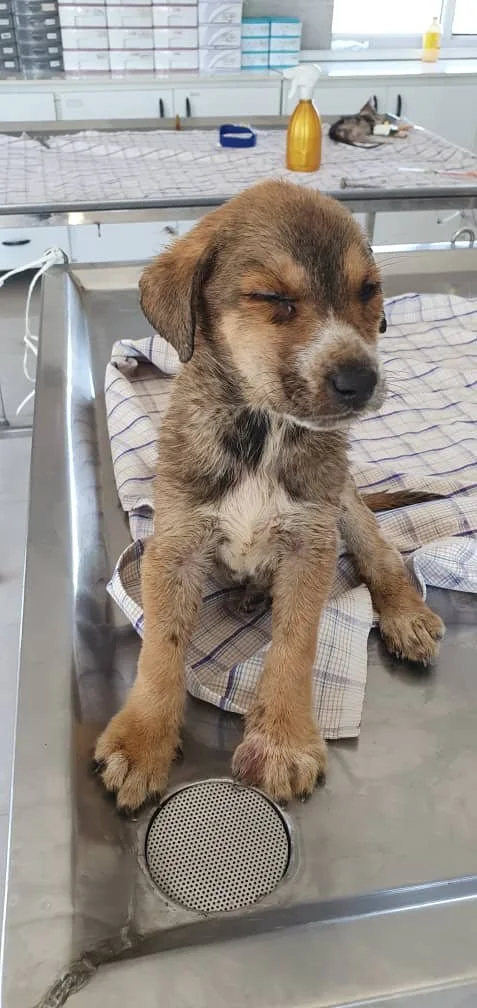
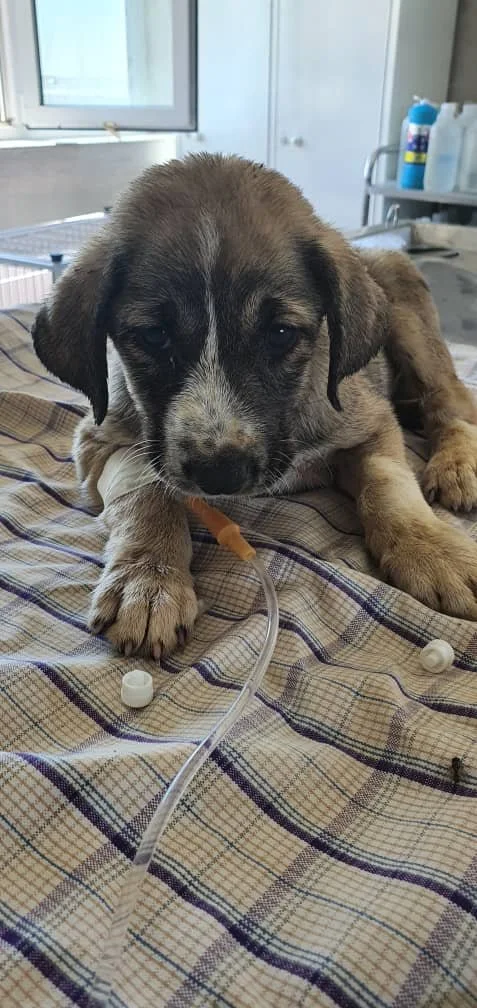
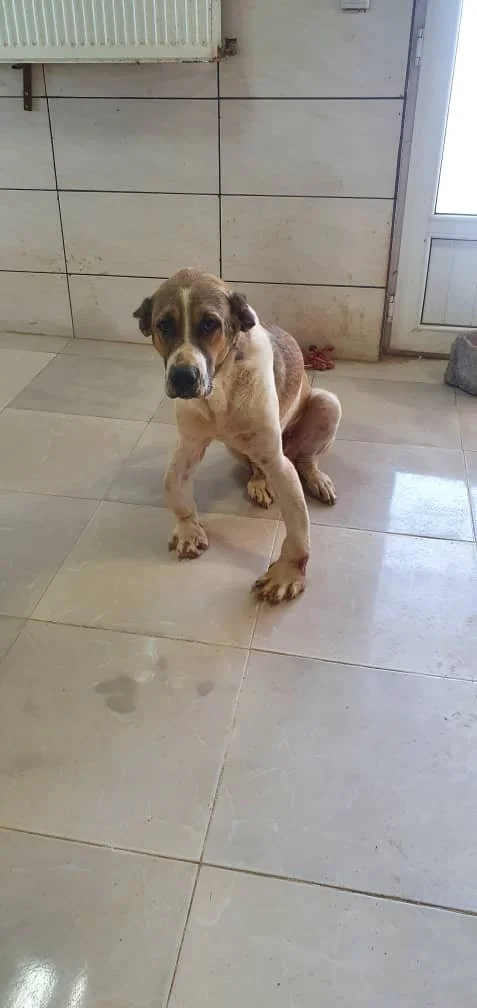
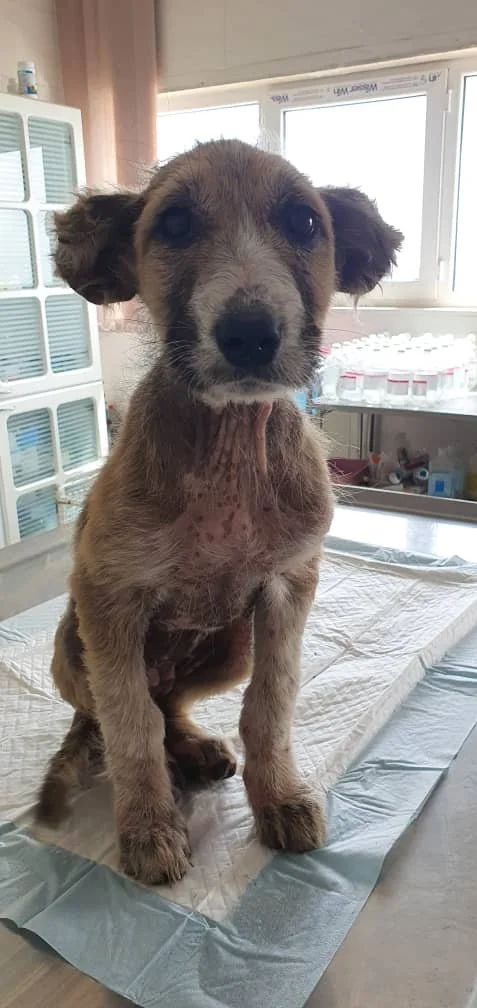
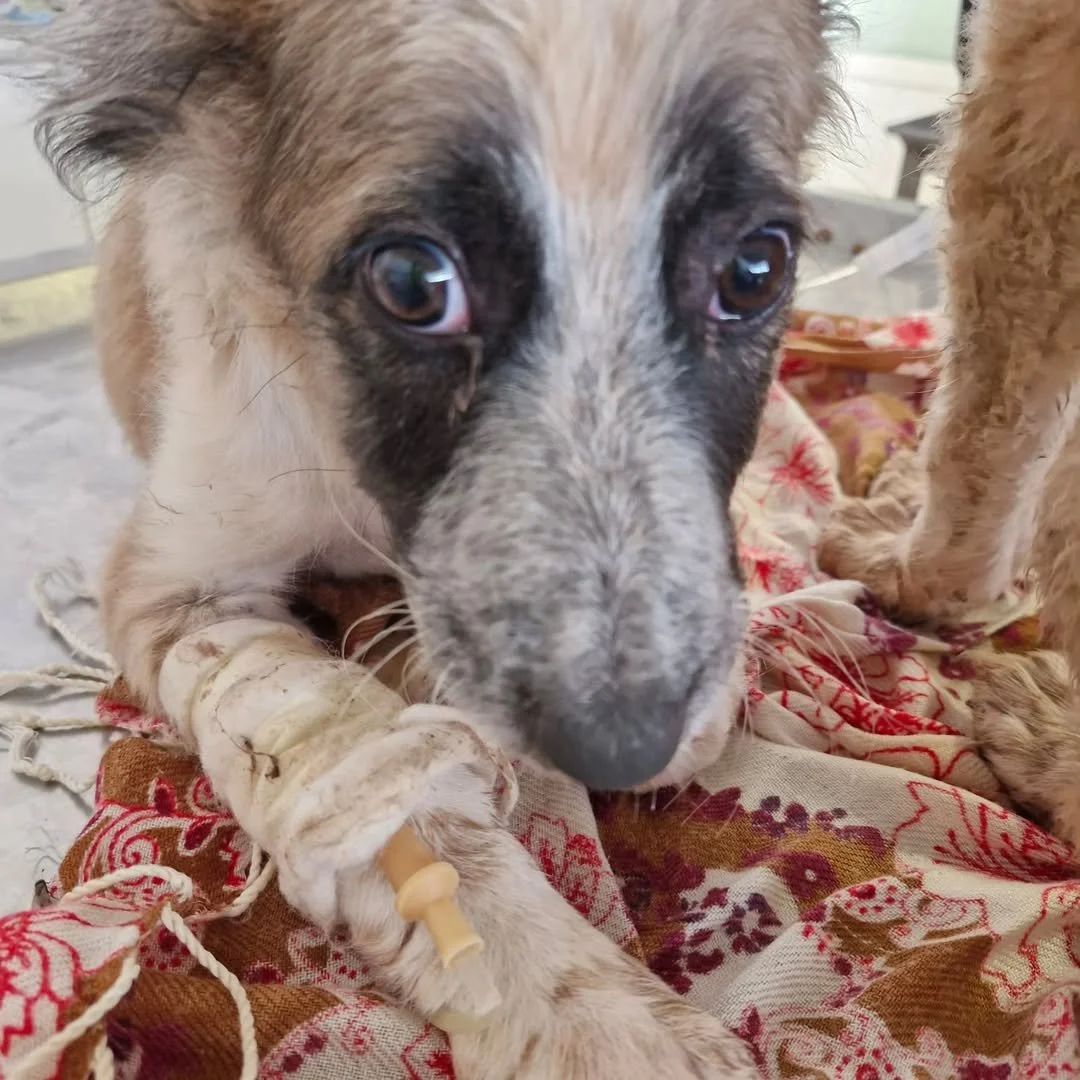
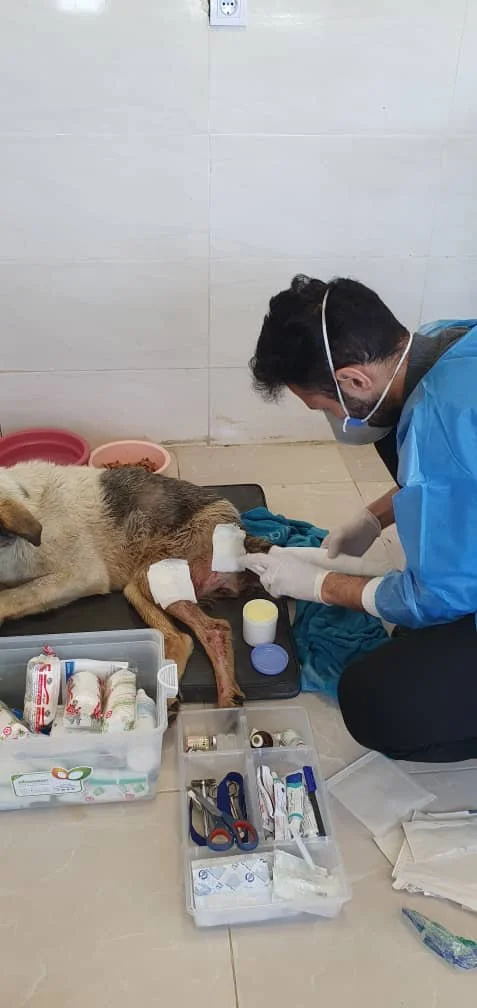
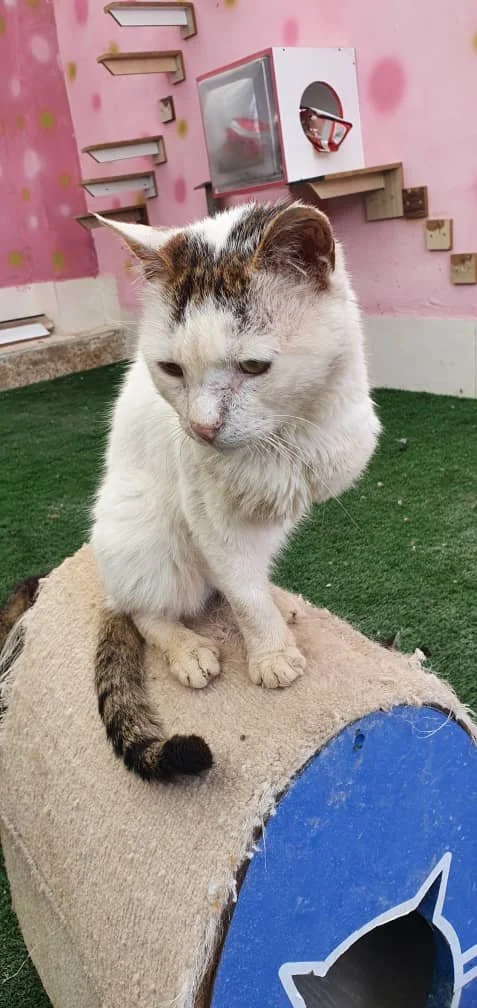
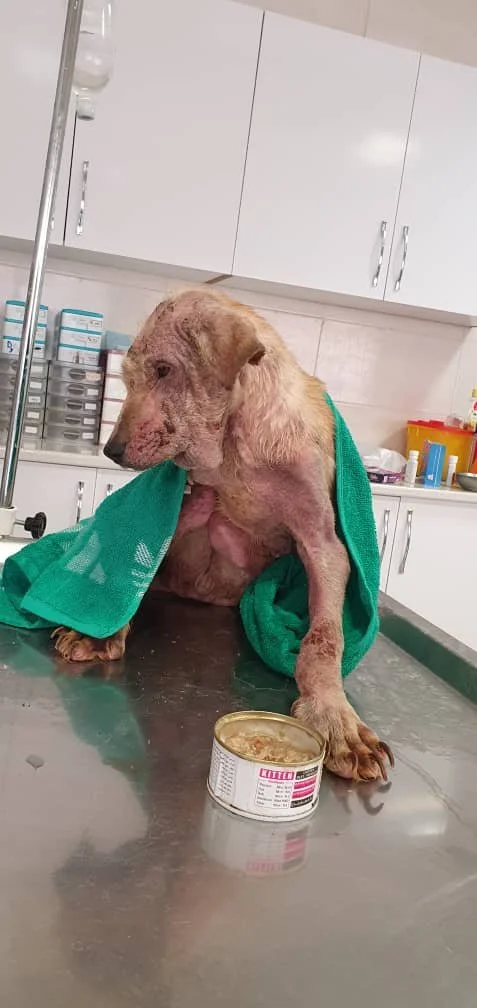
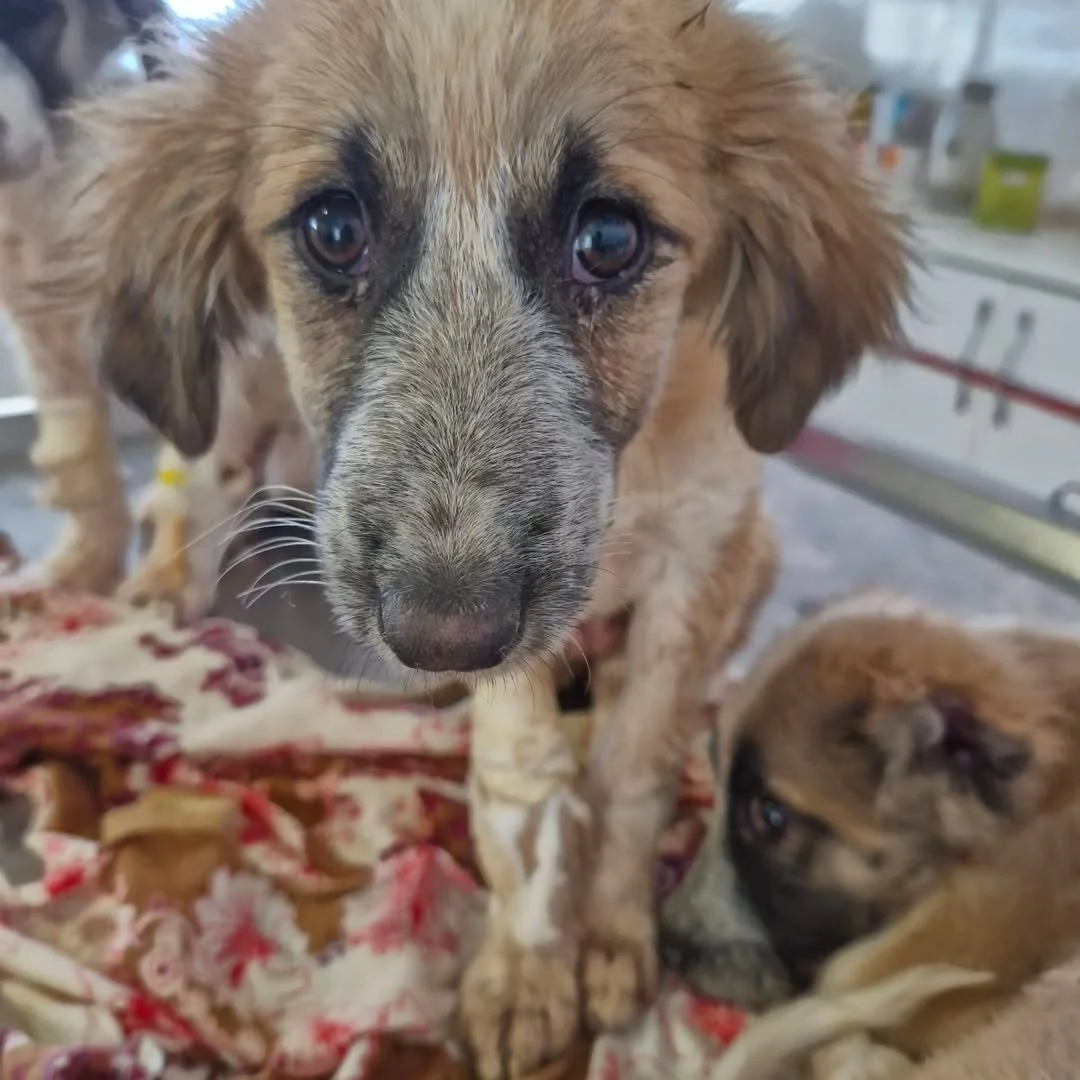
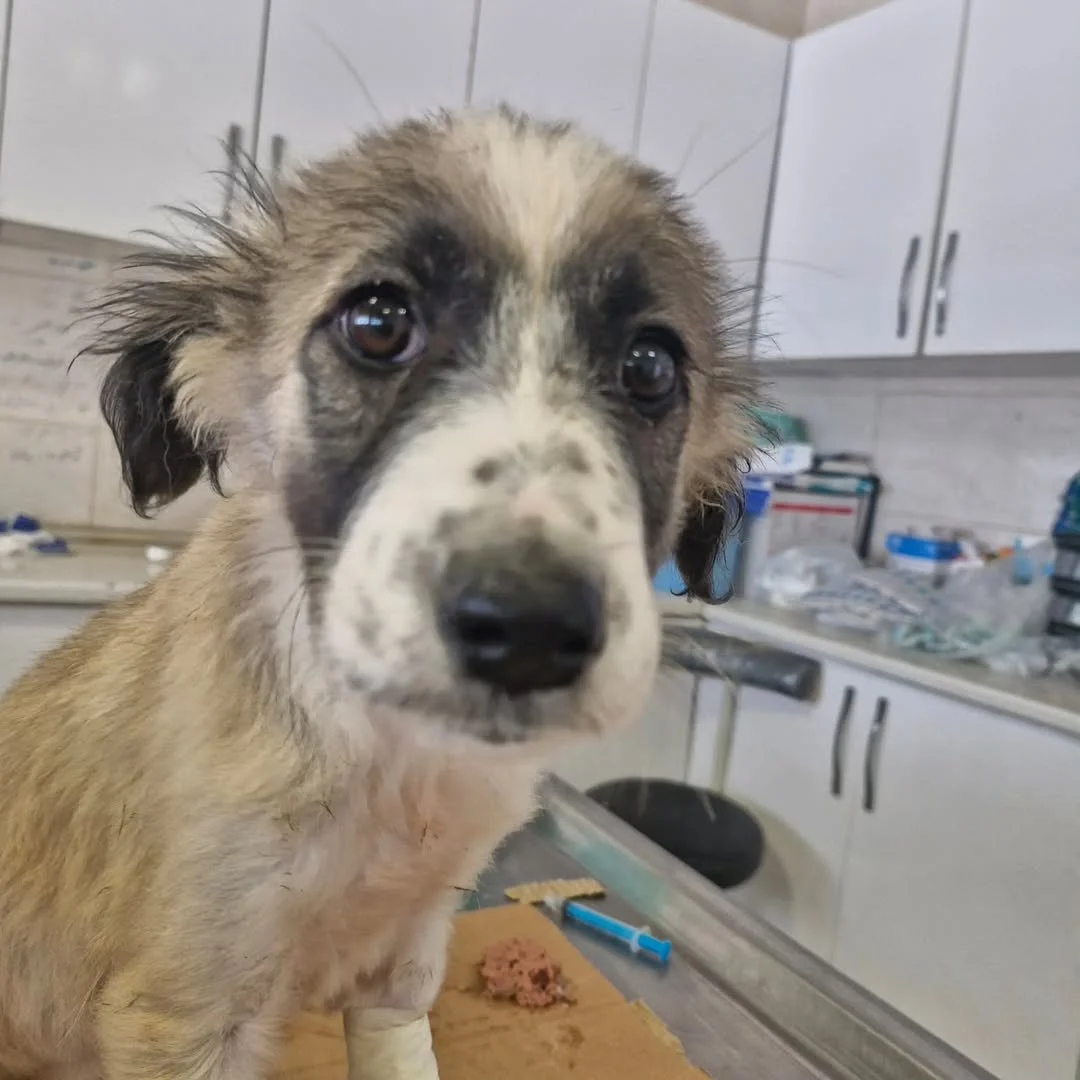
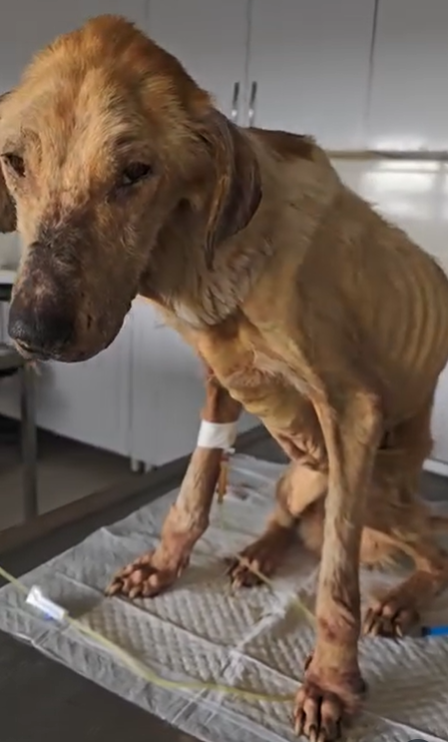
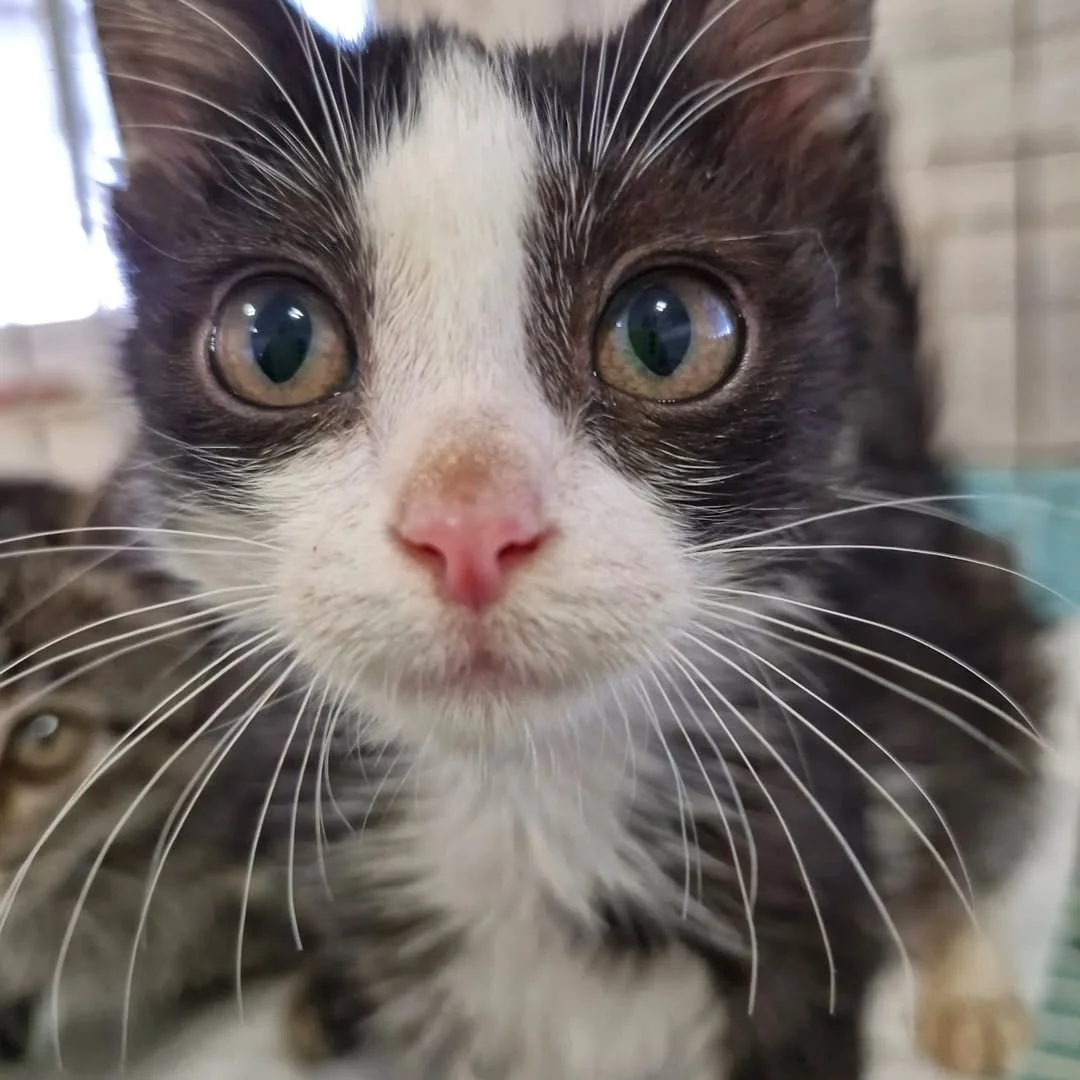
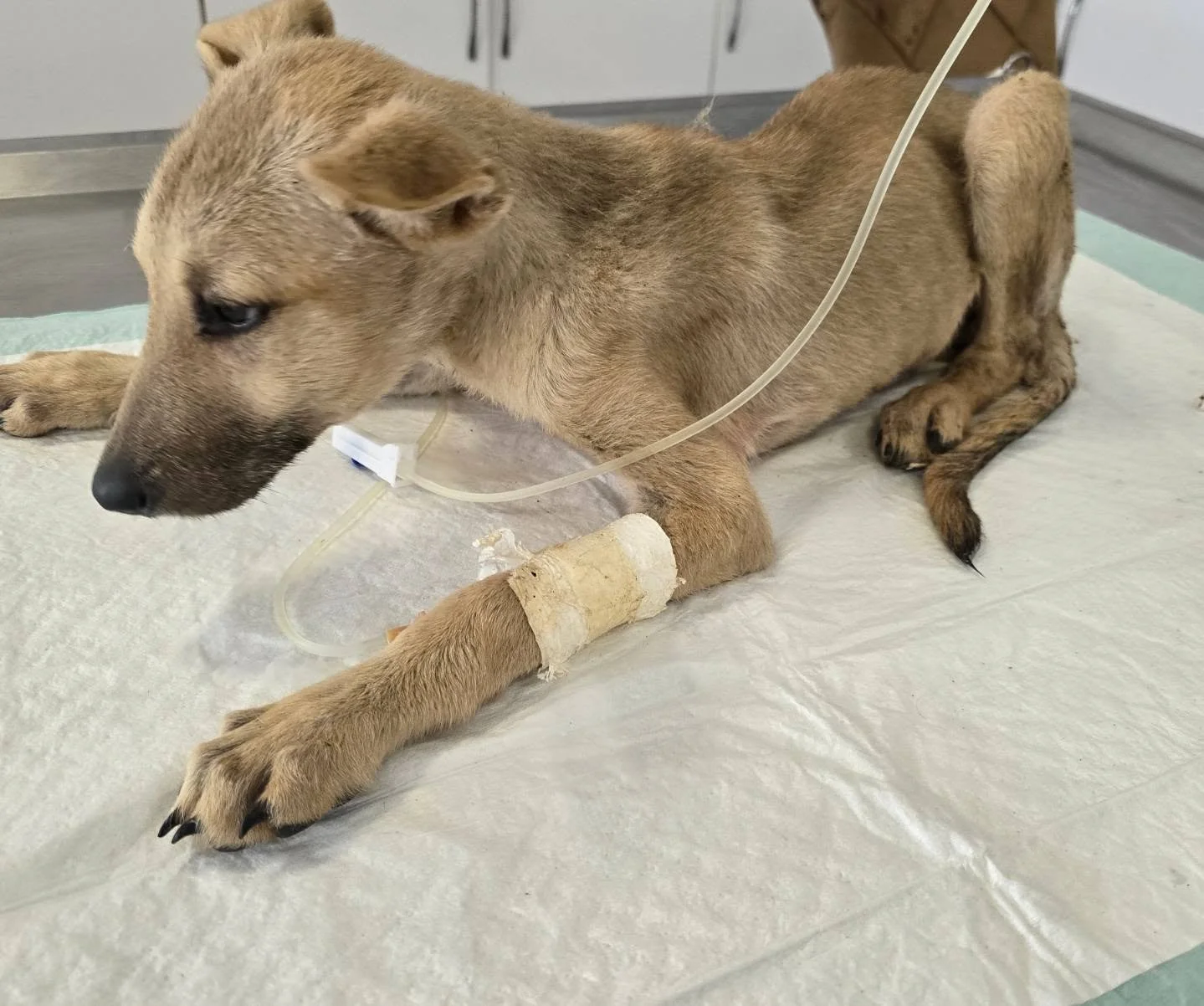
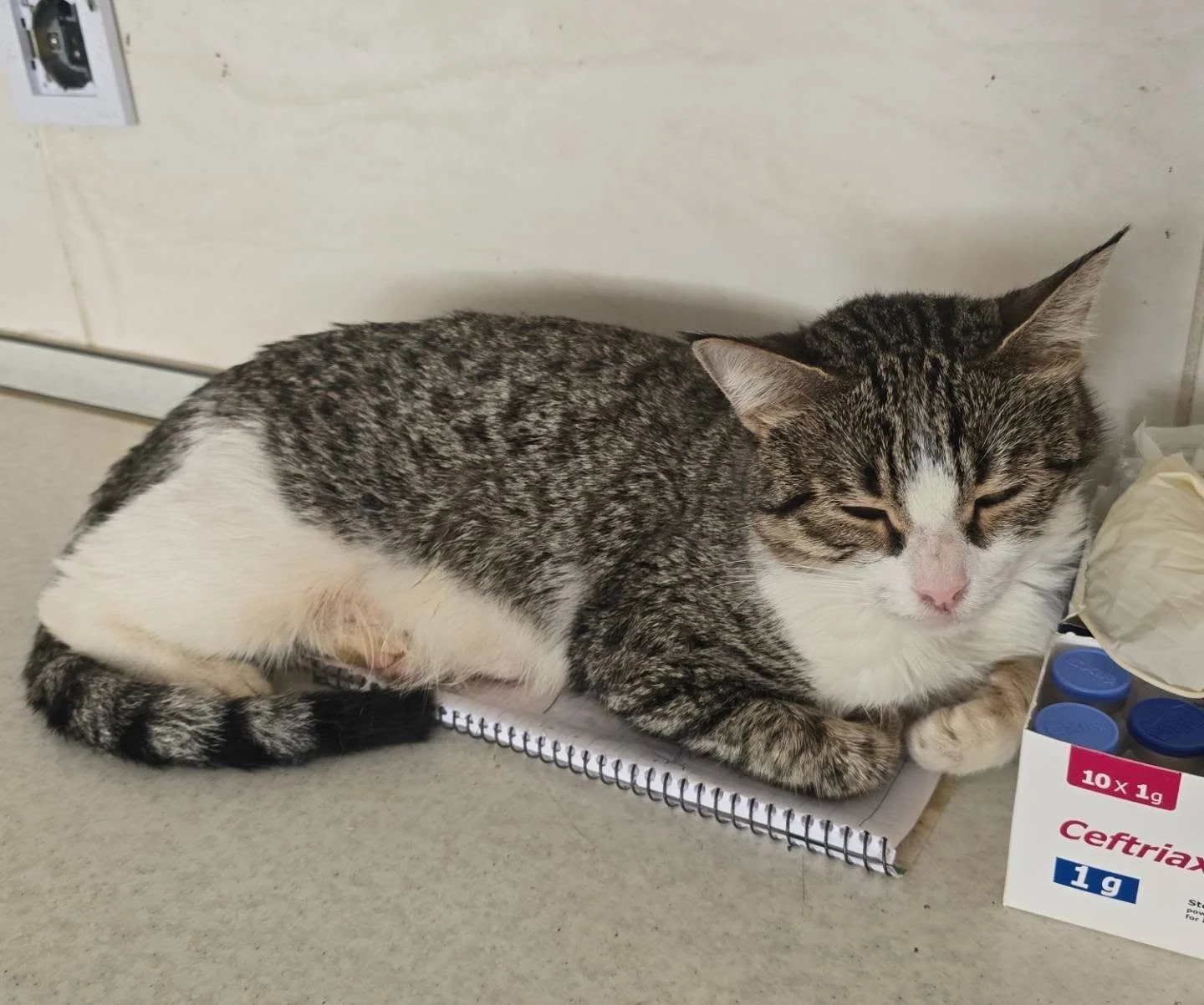
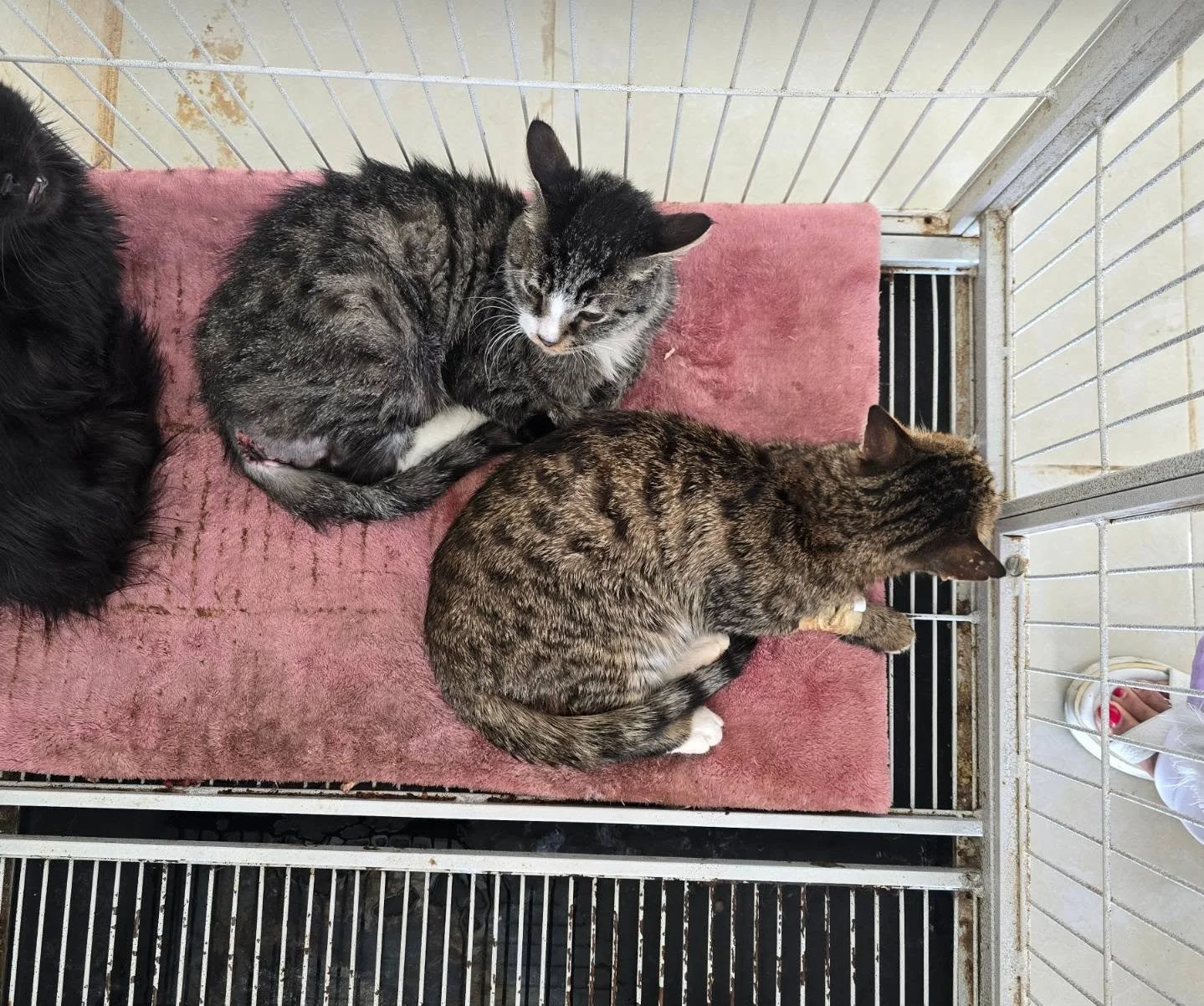
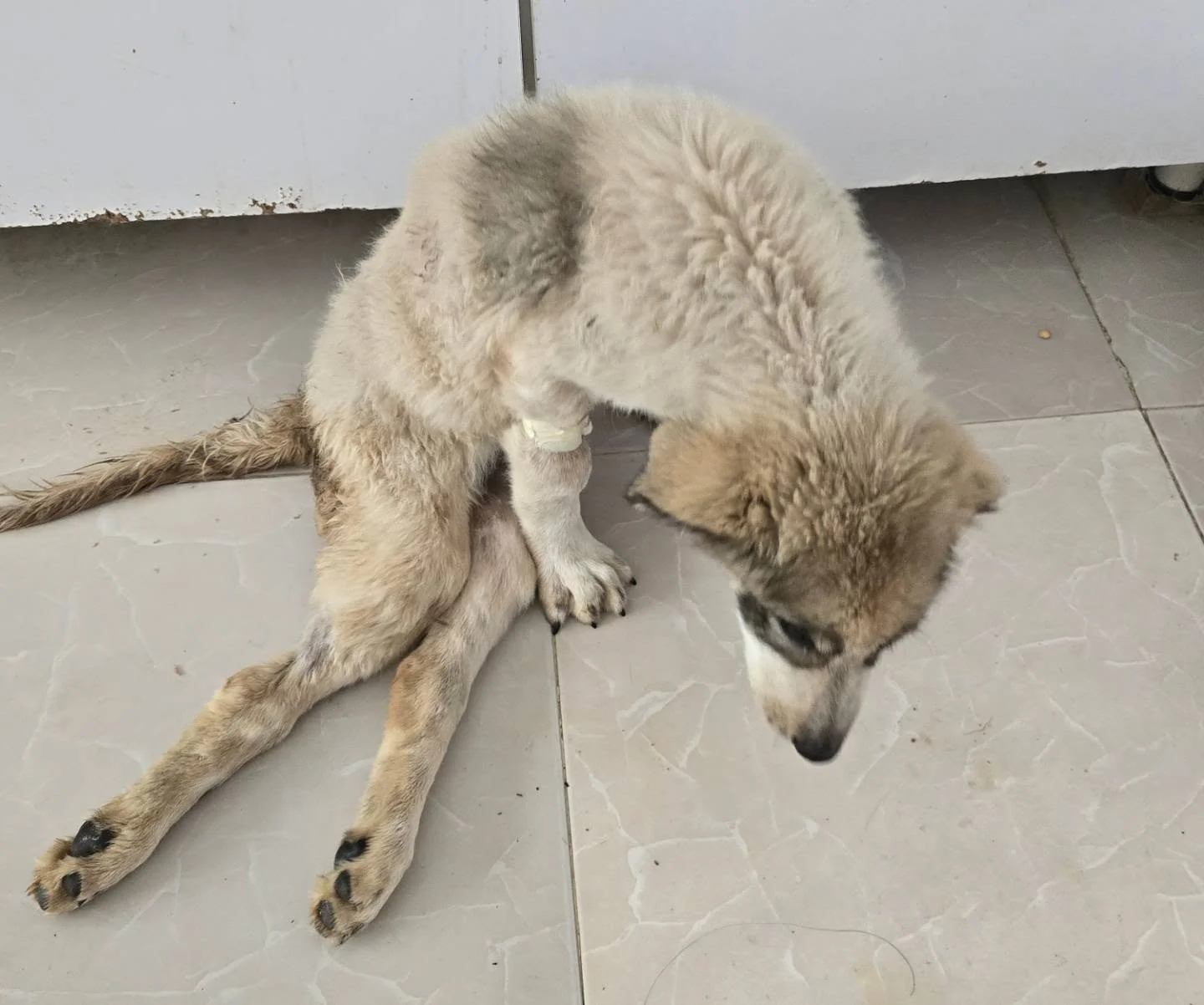
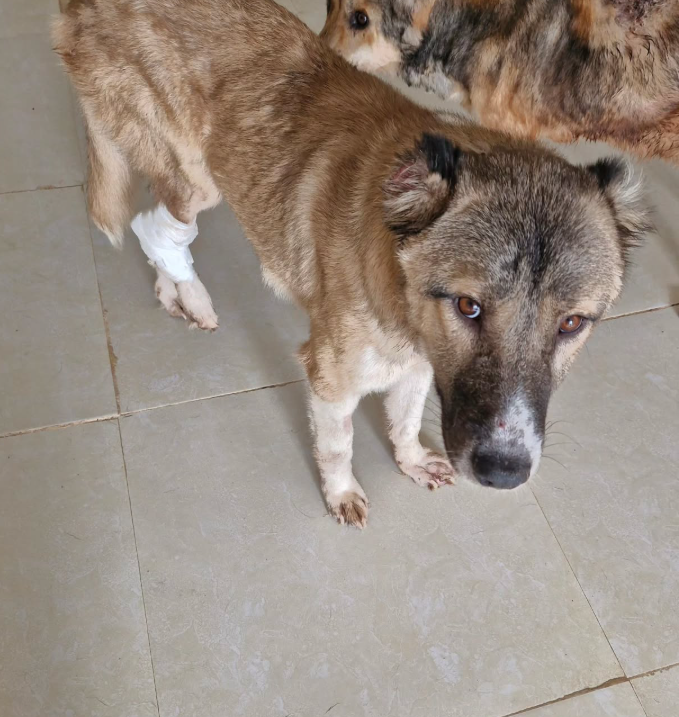
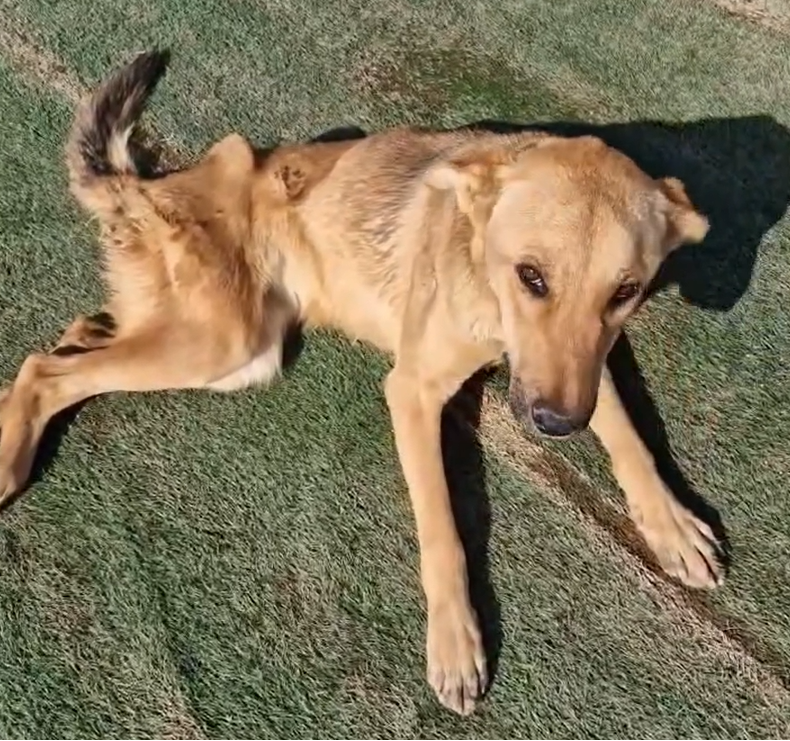
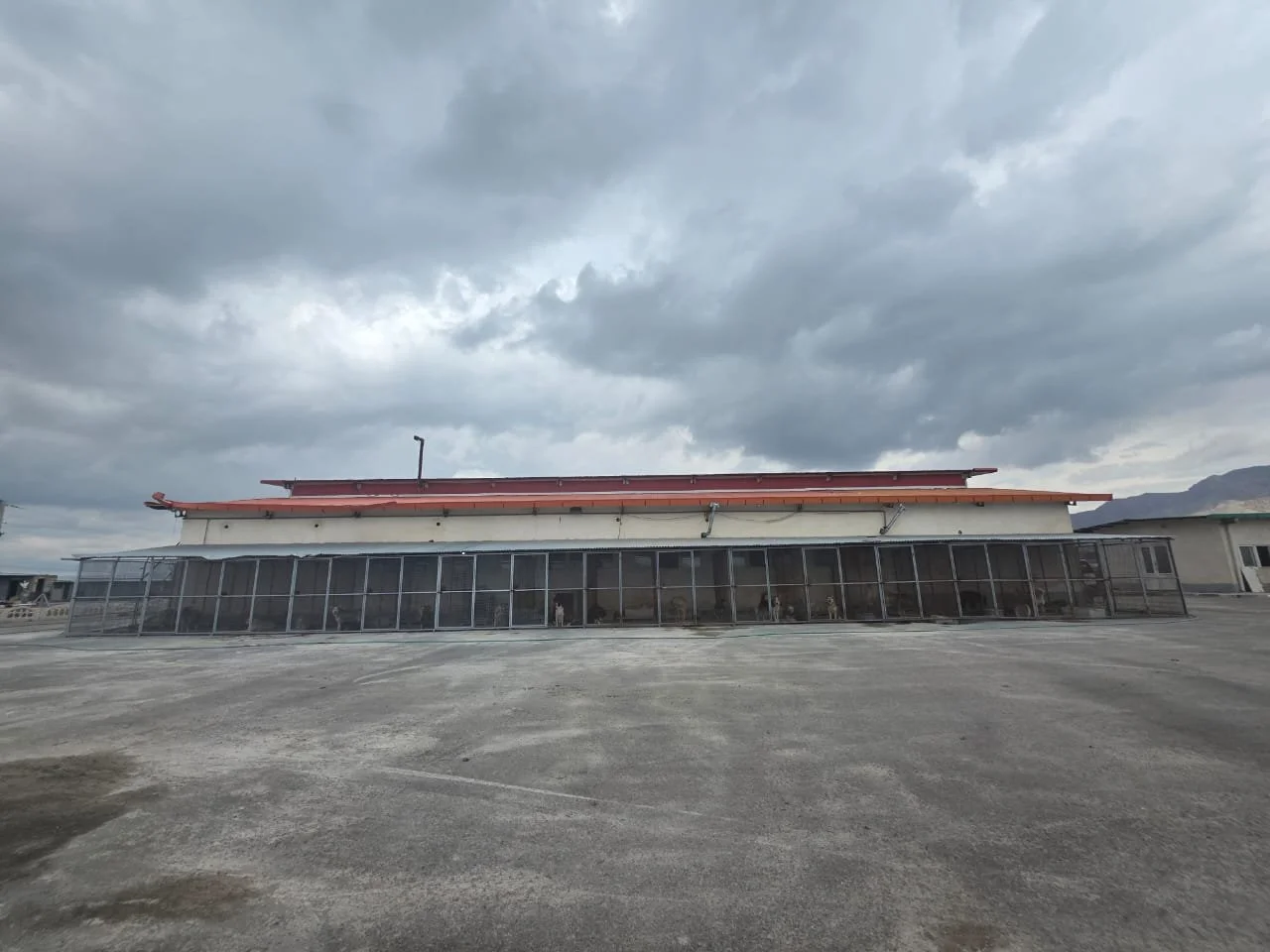
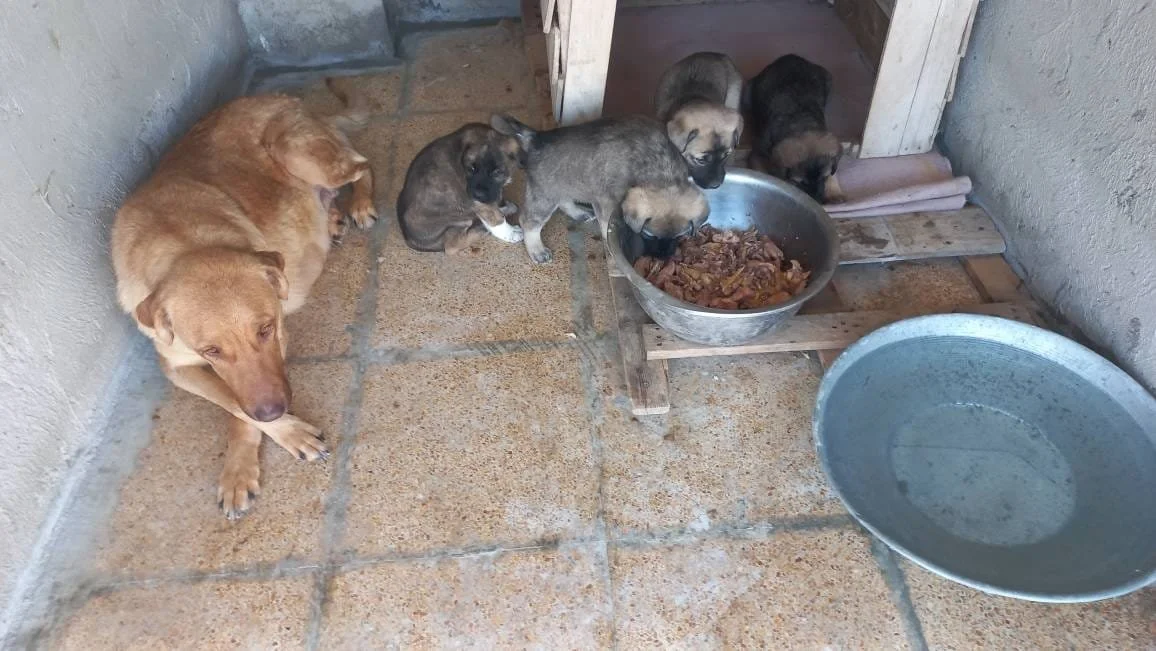
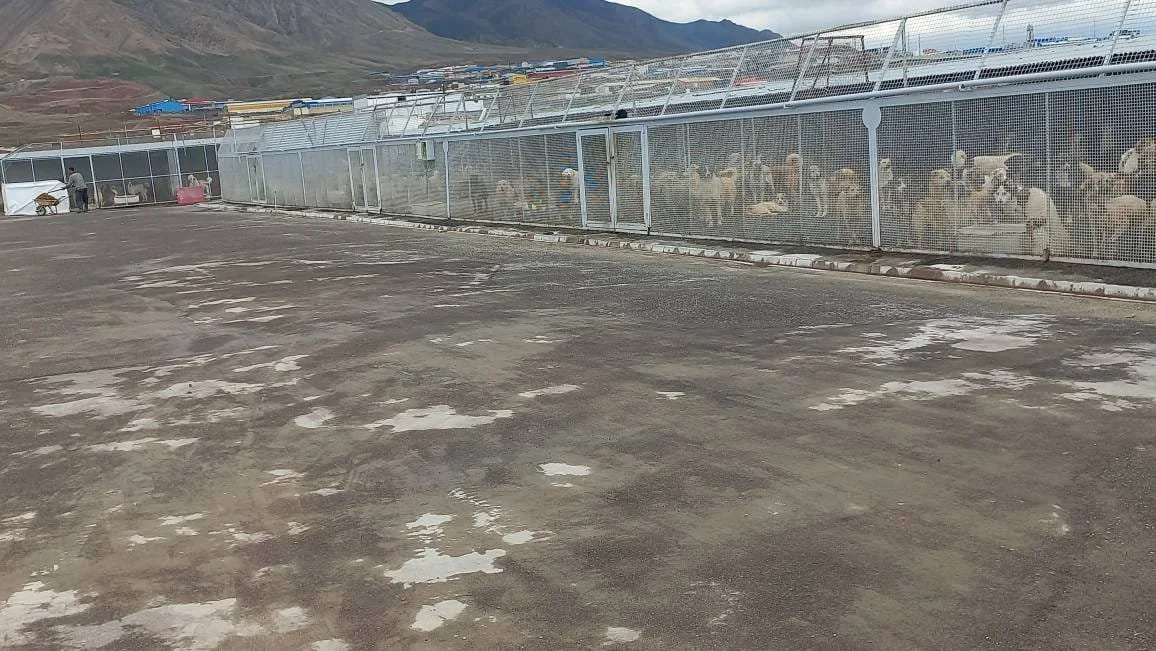
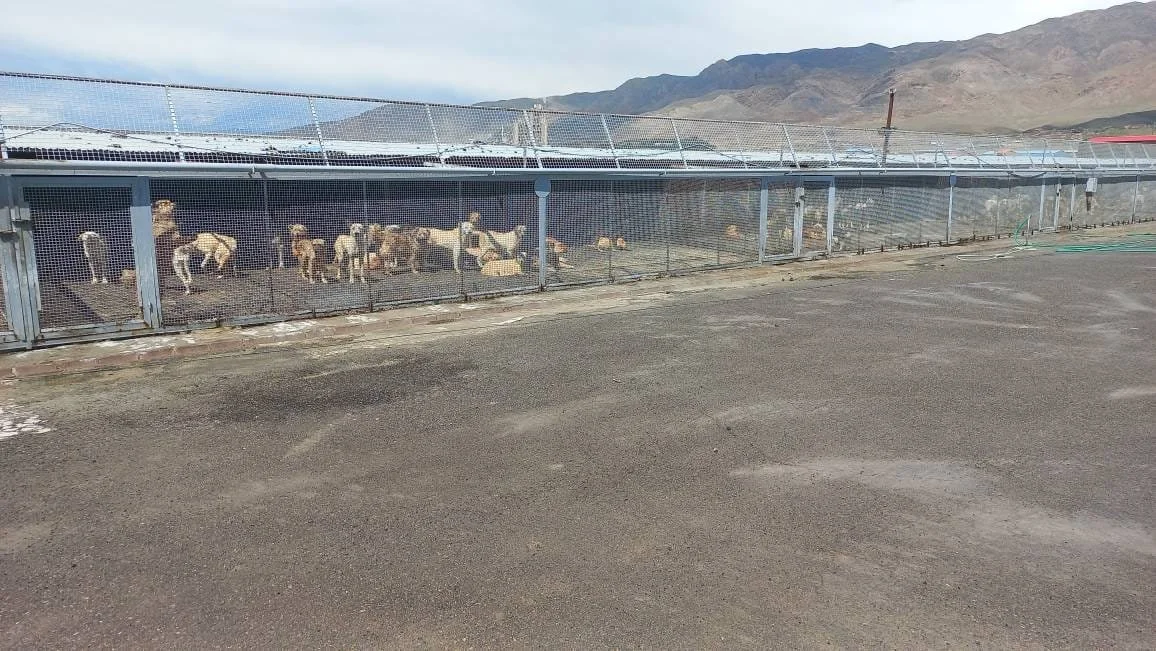
Over the years, that small act of defiance has grown into a comprehensive sanctuary with its own modest clinic, designated recovery rooms for disabled and nursing animals, and open enclosures where healthy dogs and cats can roam freely. A single rescue vehicle, maintained through donations, serves as the shelter’s lifeline — transporting animals in urgent need of medical attention, often those found starving, abused, or struck by cars.
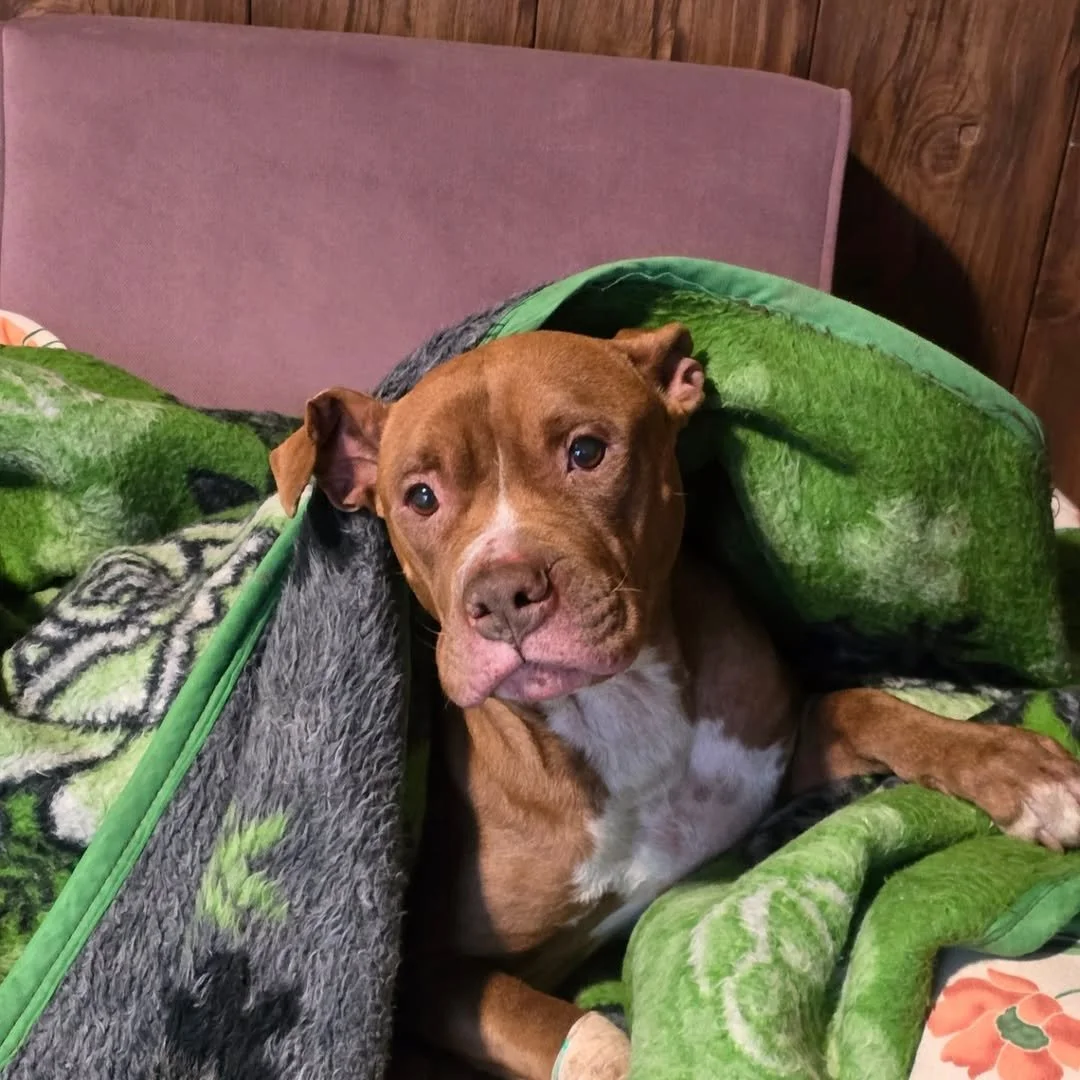
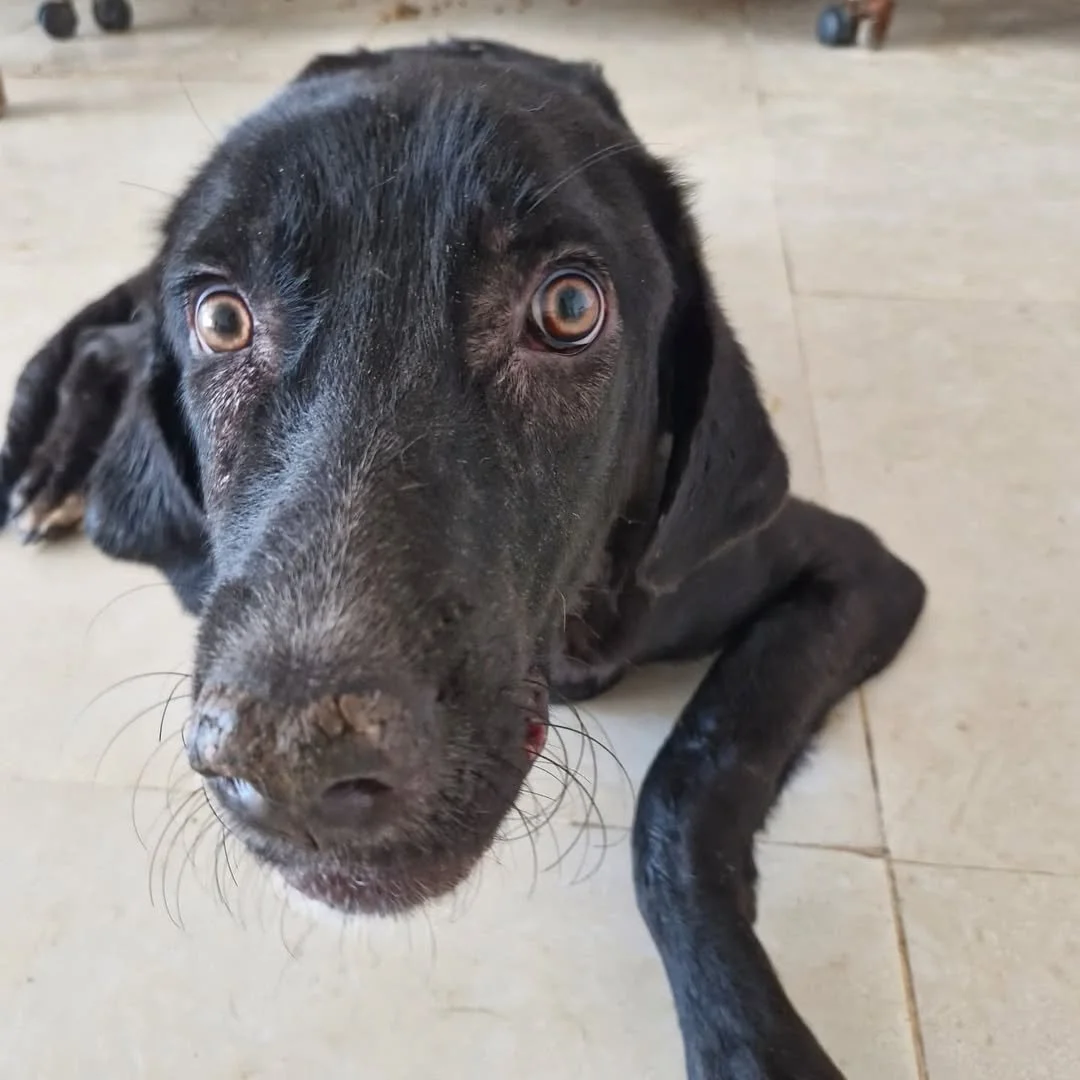
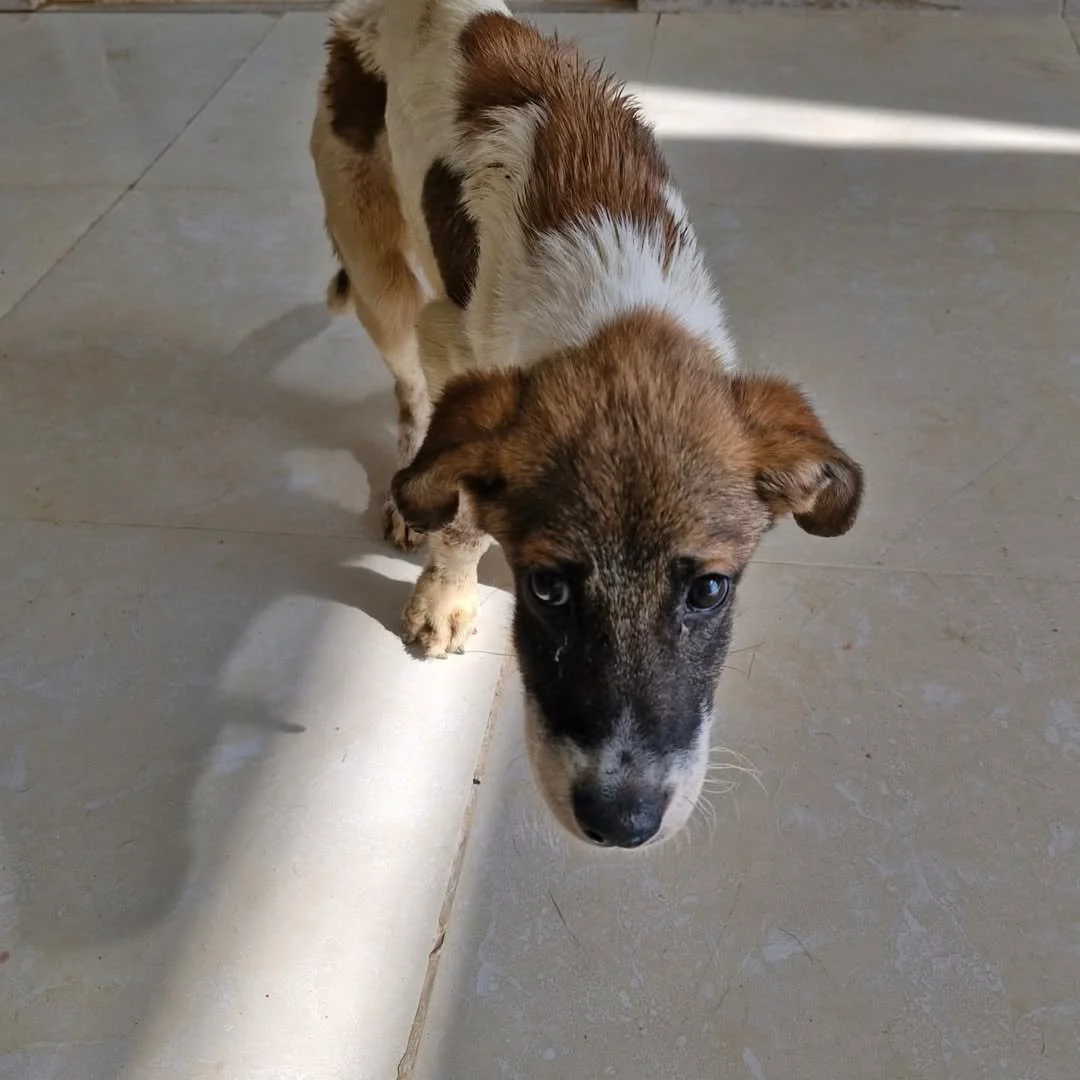
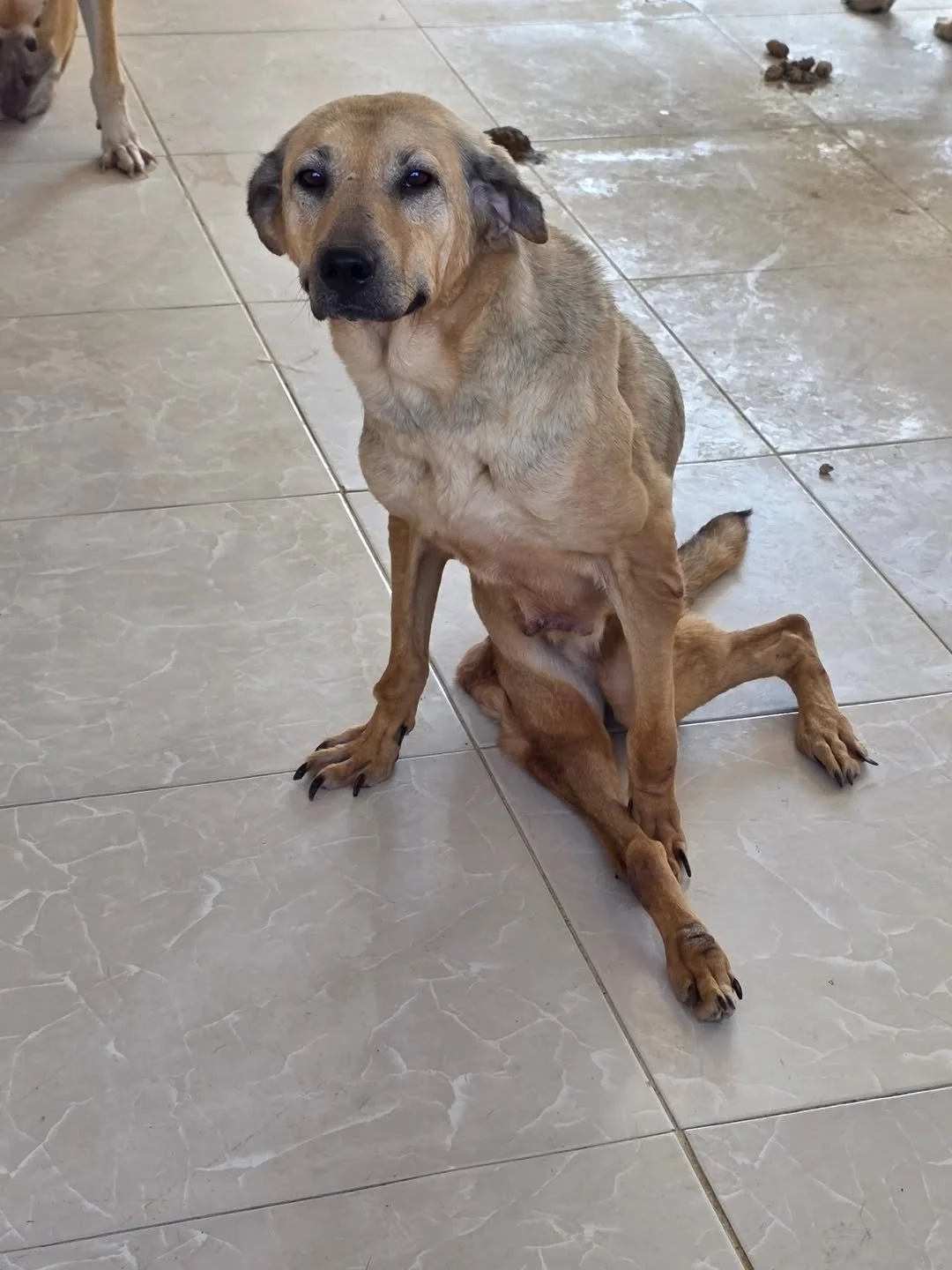
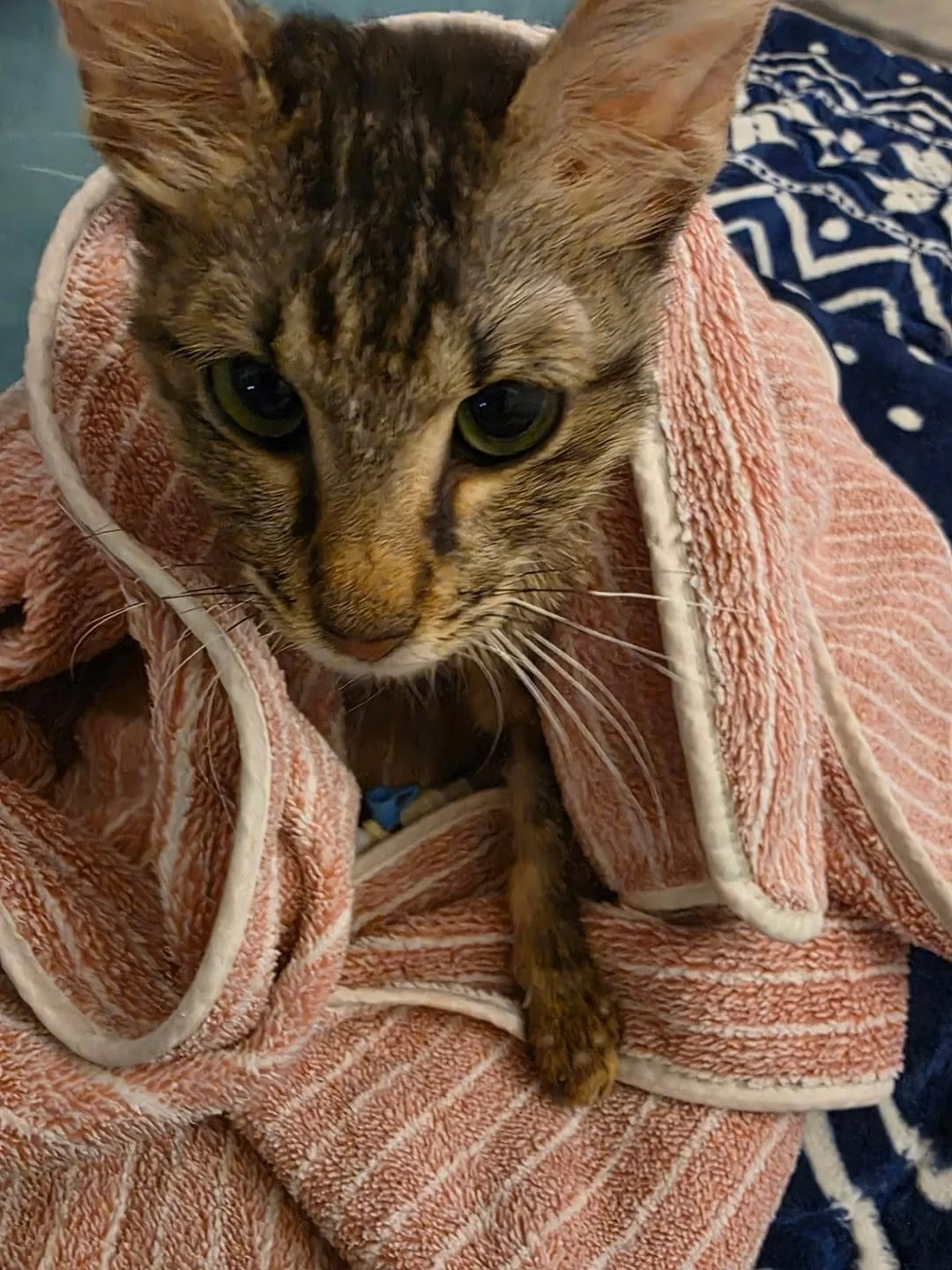
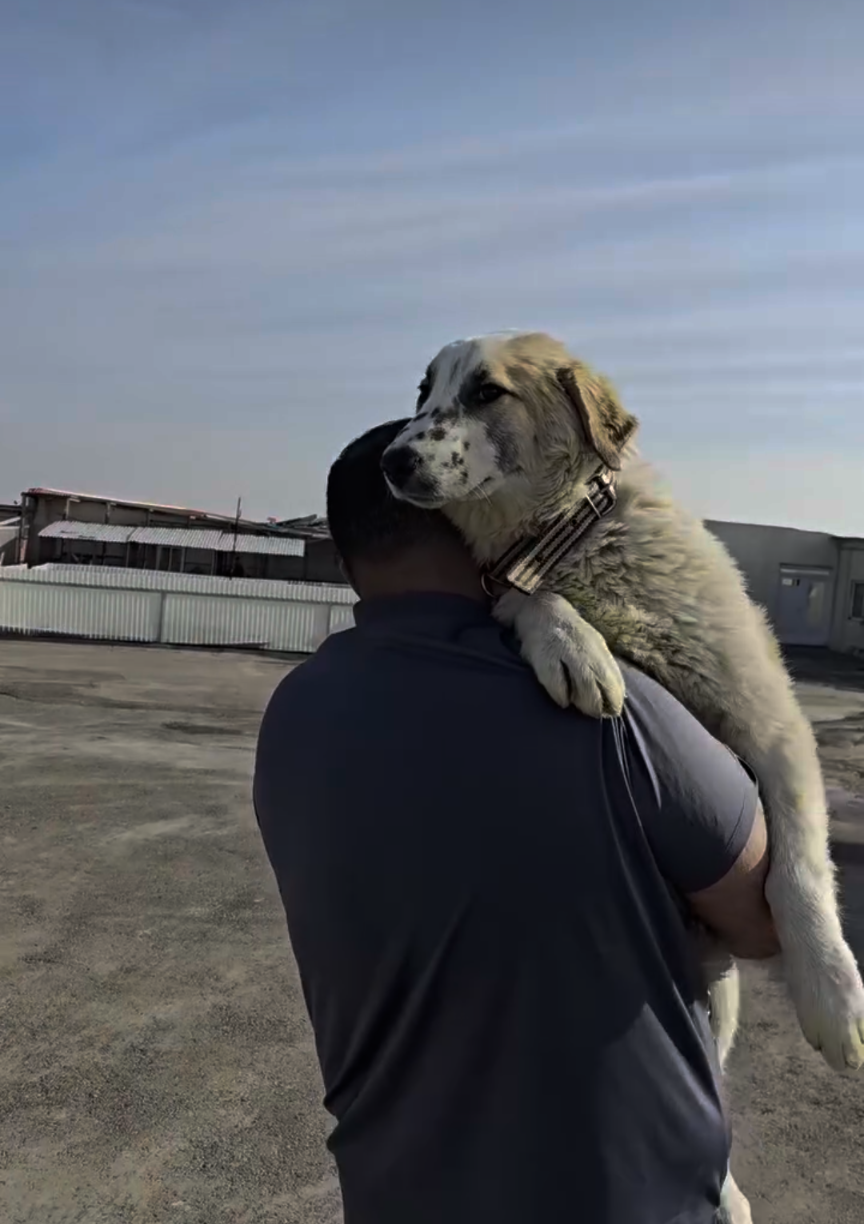
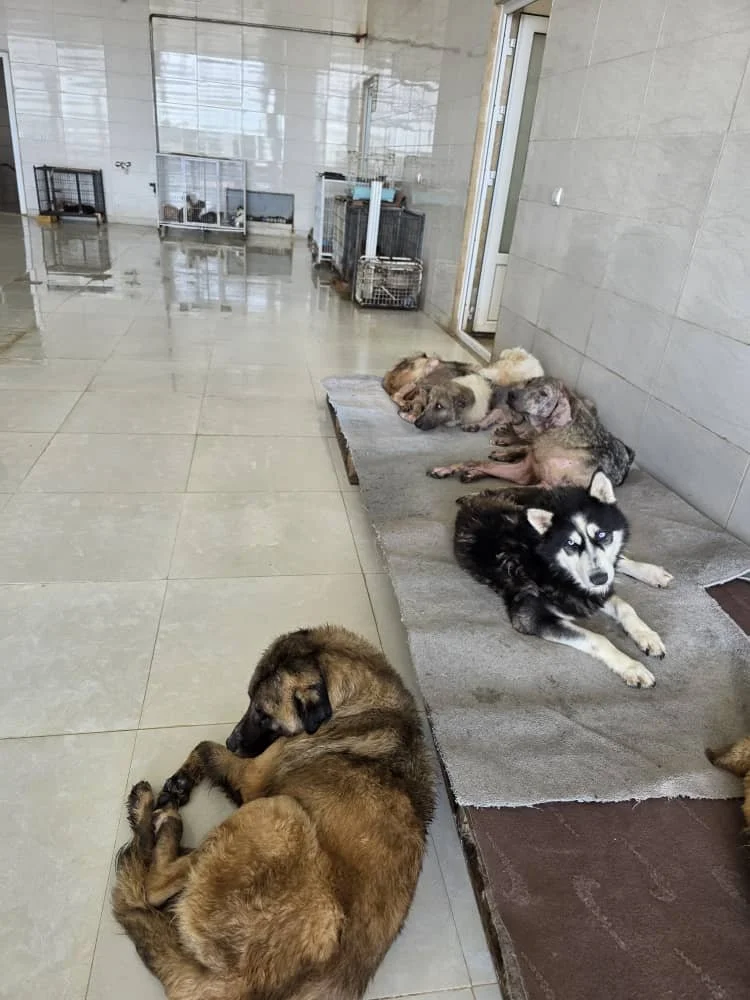
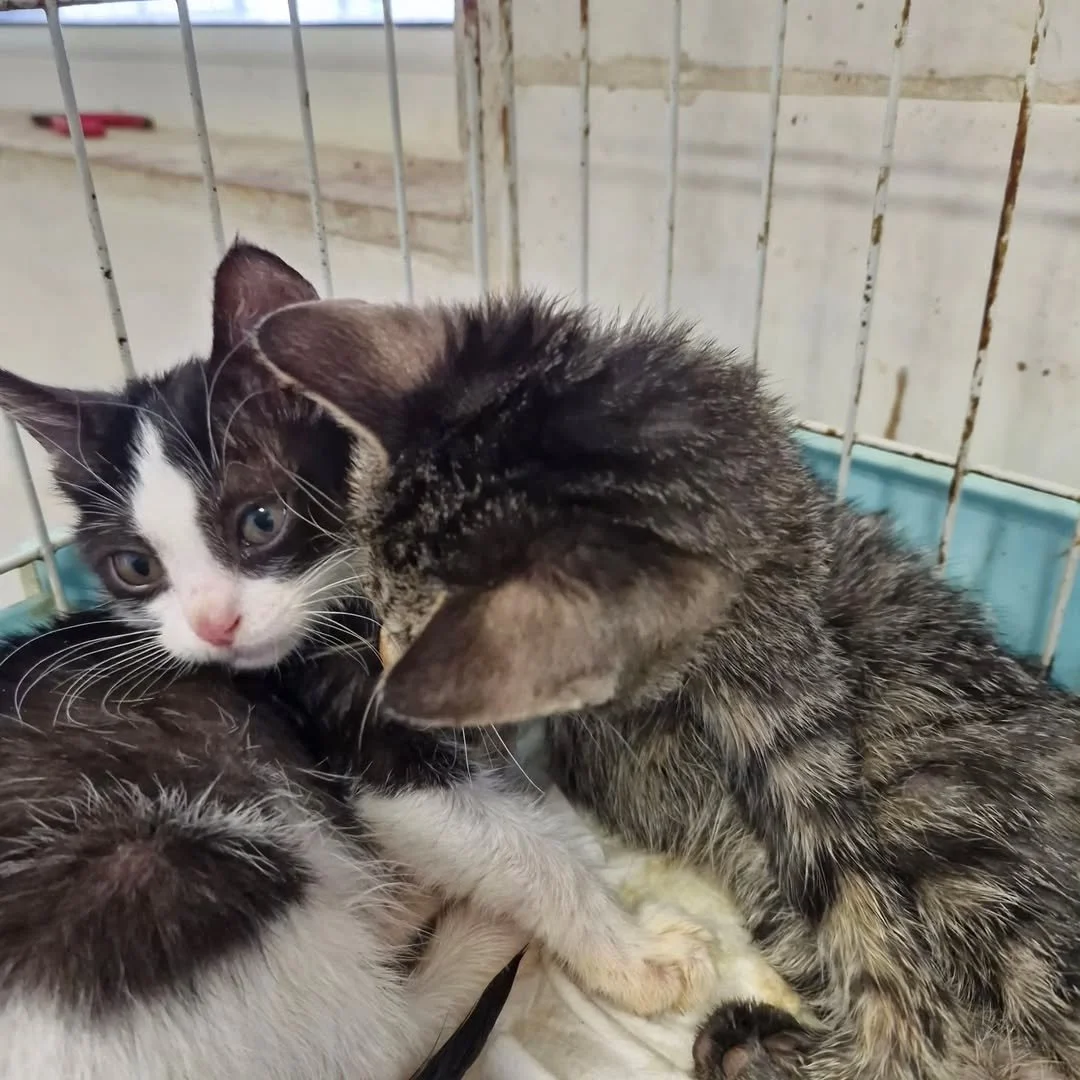
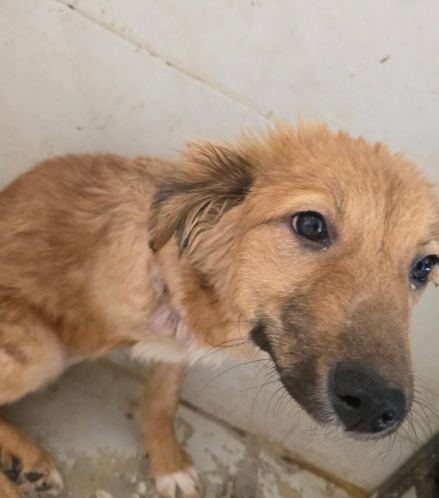
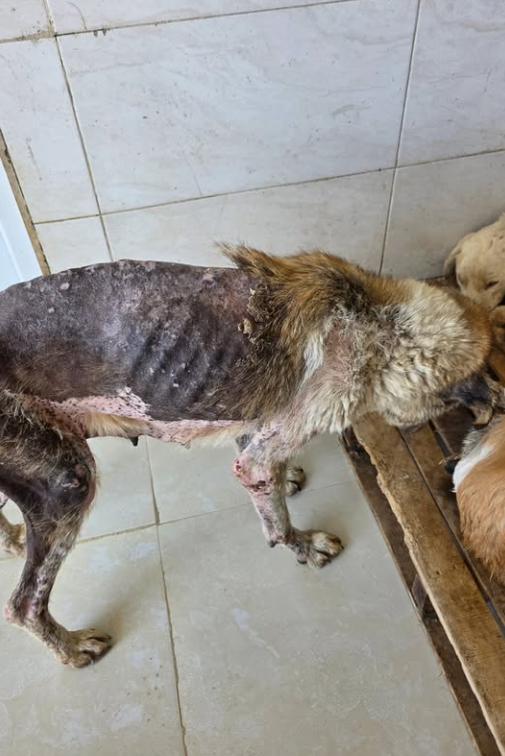
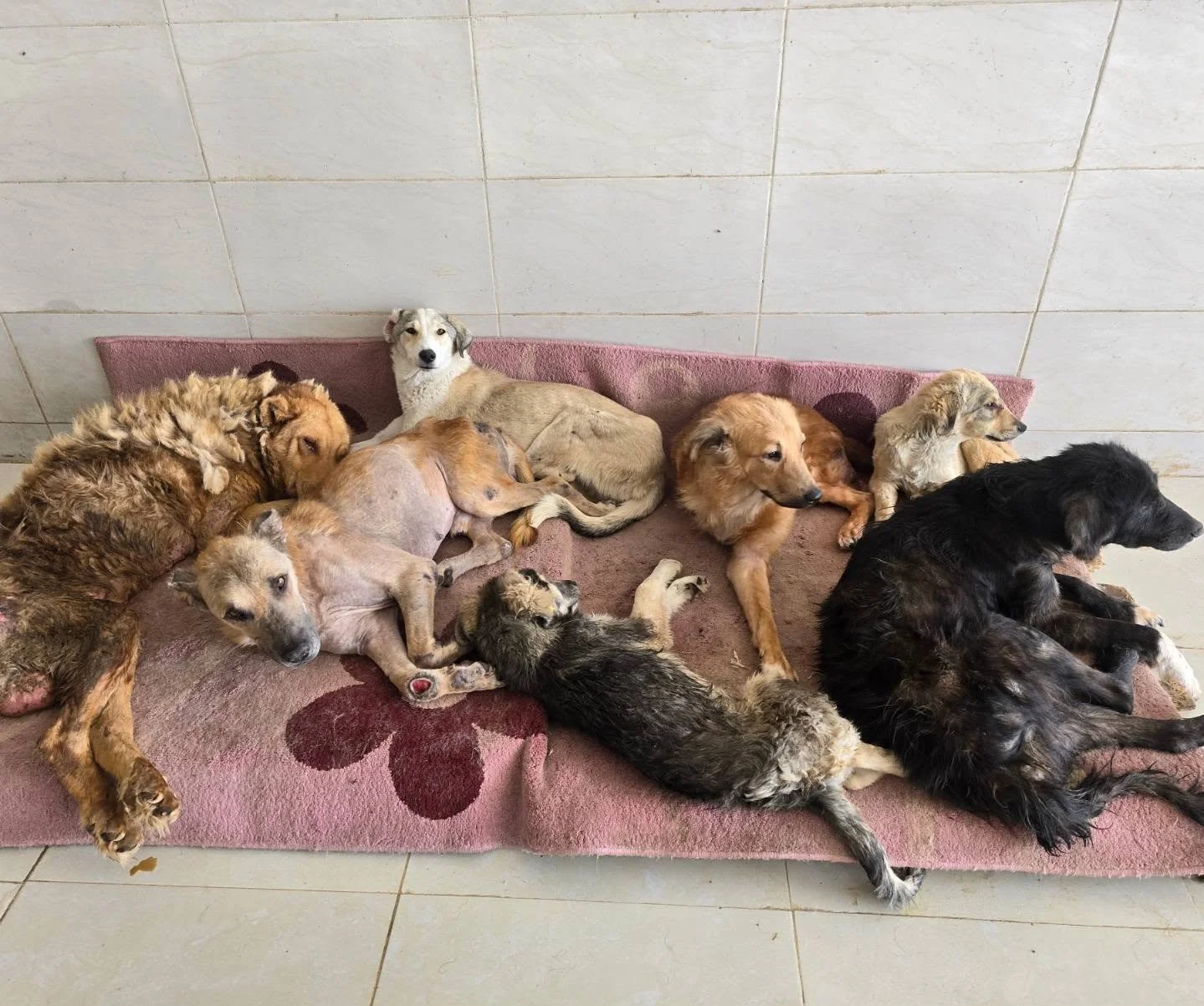
Today, Pardis Shelter cares for over 3,000 dogs and hundreds of cats, many of whom are survivors of abuse, accidents, or neglect. What began as one woman’s response to cruelty has grown into a legally recognized organization and a lifeline for thousands — a place where the unwanted find food, safety, and the simple right to live.
To see Pardis Shelter’s daily rescue work and ongoing care, visit their official Instagram account.
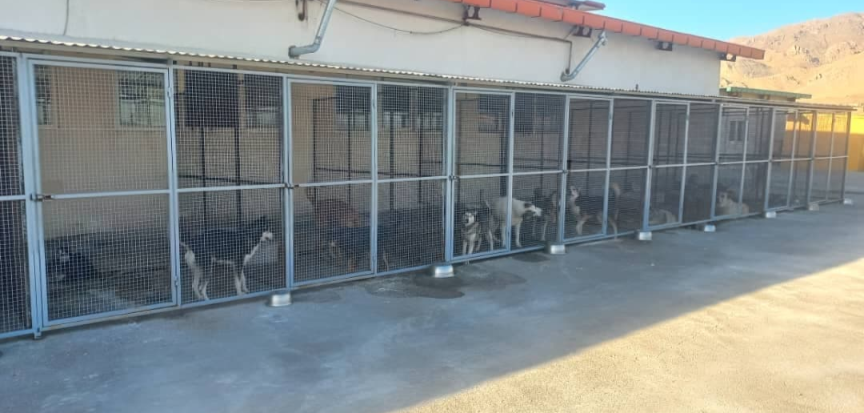
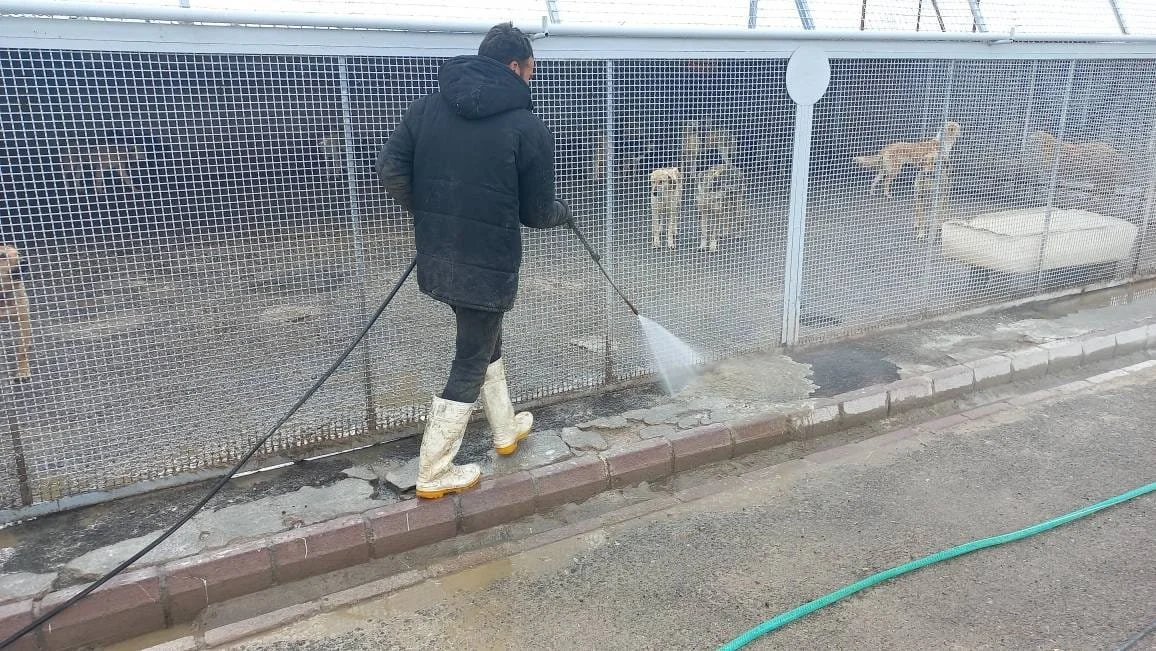
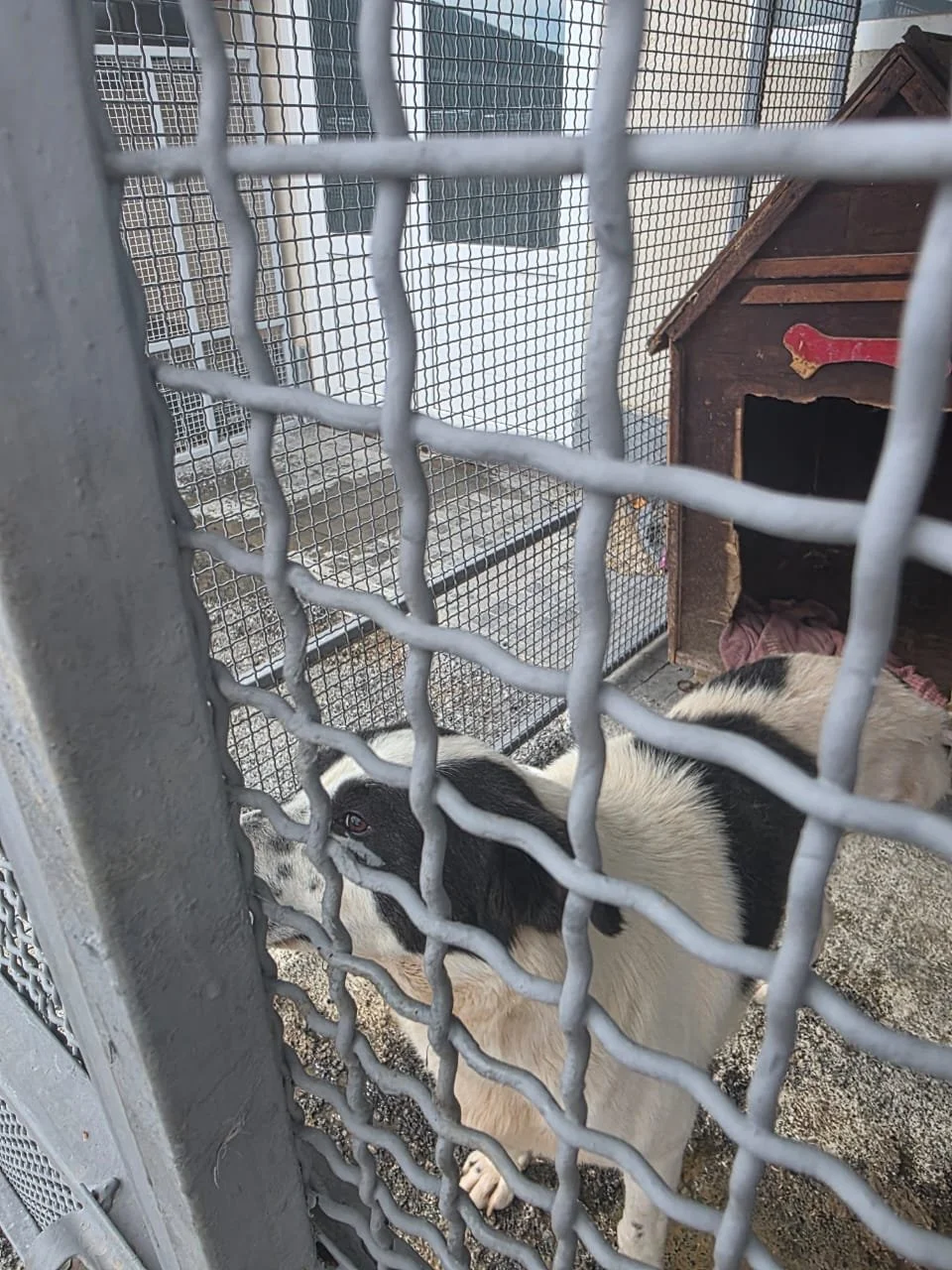
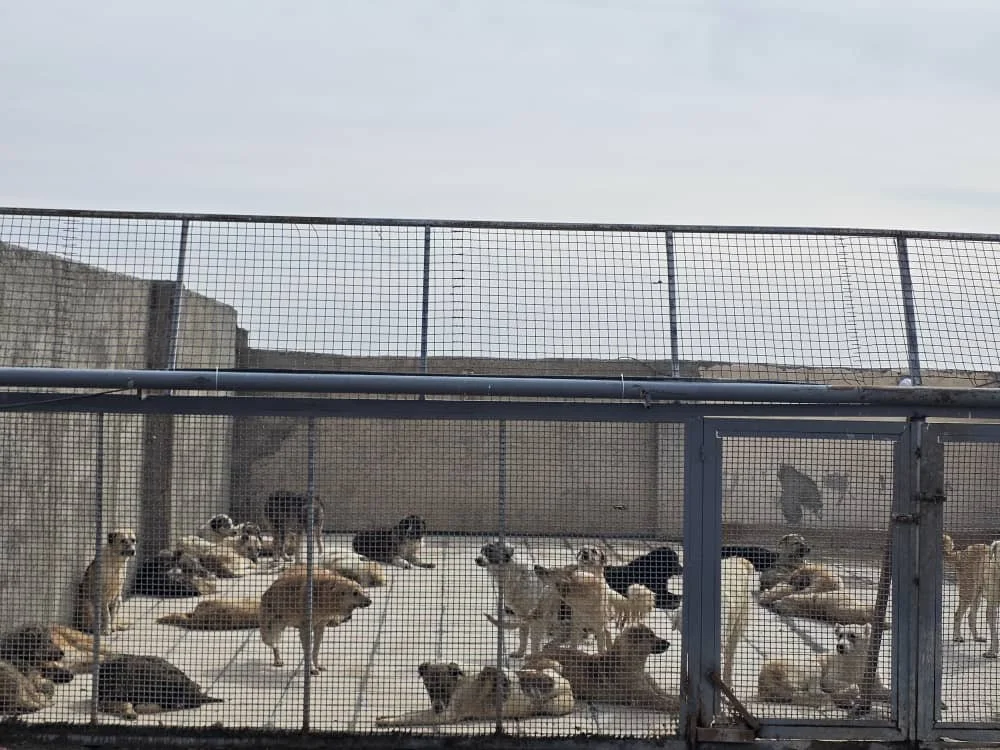
At the heart of Pardis is Zhila Pourirani herself. For over 16 years, she has sustained the shelter through personal sacrifice, resilience, and unwavering responsibility toward the animals in her care. Pardis stands today not because it was easy or supported, but because Zhila chose—again and again—to carry the burden so the animals would not have to.
Pardis may not resemble the modern, well-funded shelters of the West, but it offers what truly matters. Within its modest walls, animals find safety, medical care, nourishment, and warmth. It is a refuge built from compassion rather than resources — a place where no animal is harmed, neglected, or left to suffer. Here, every rescued life has a chance to heal, to eat, to rest, and to be loved. In its simplicity, Pardis embodies the essence of what a shelter is meant to be: a sanctuary where survival and kindness meet.
Every rescue here is an act of resistance against indifference — and a reminder that compassion can begin with one person and reach across borders.
Challenges They Face
-
Pardis Shelter receives no government support and has limited access to international banking.
With sanctions cutting off financial channels, the shelter depends almost entirely on small local donations and the personal sacrifices of its founder and volunteers. Every month brings uncertainty — whether there will be enough funds for food, staff, or fuel for their single rescue vehicle. -
Operating in Iran means facing constant shortages of medicine and veterinary materials.
Due to import restrictions and sanctions, even basic treatments — vaccines, antibiotics, and surgical supplies — are difficult to obtain. What would be routine elsewhere becomes a question of survival here. -
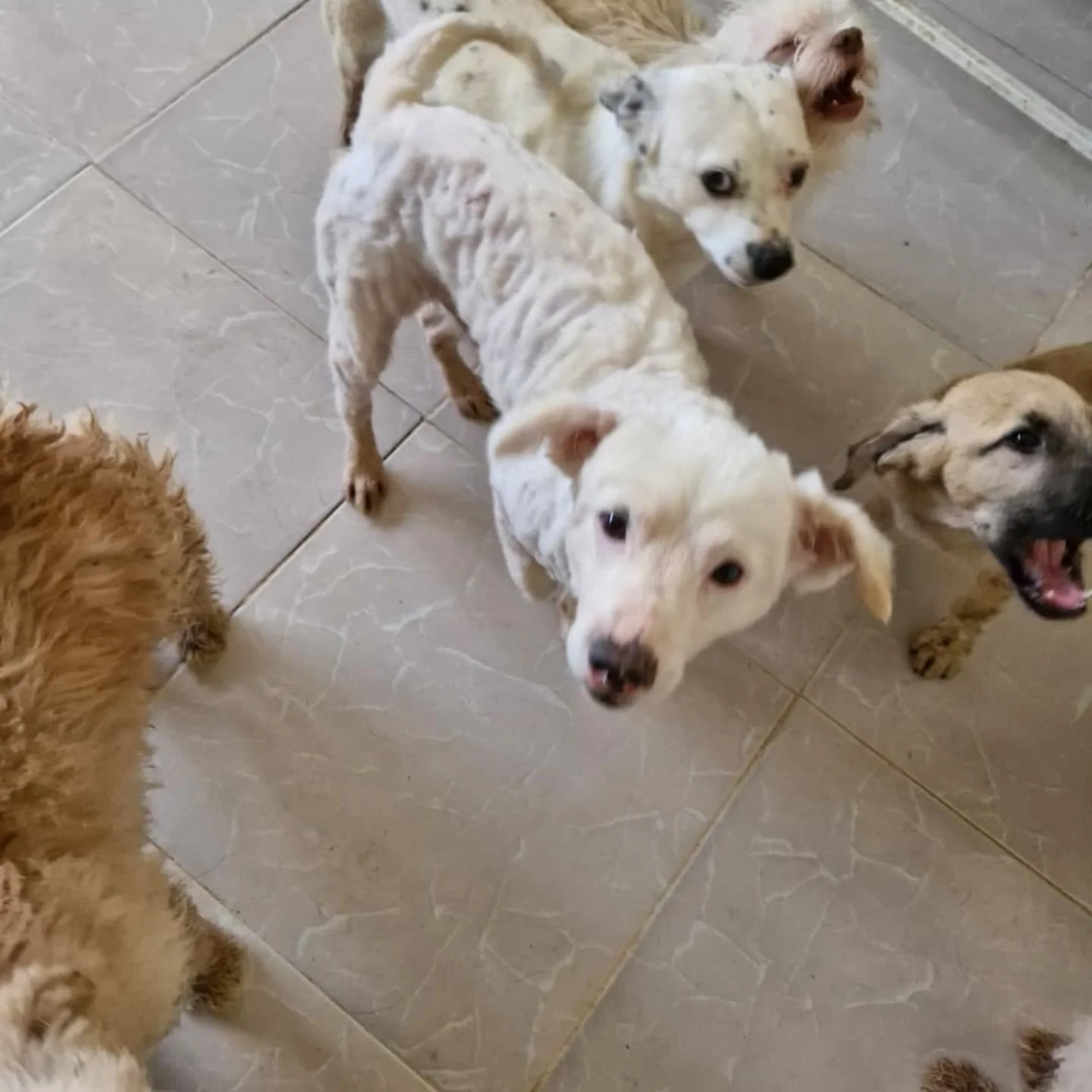
Home to more than 3,000 dogs and hundreds of cats, the shelter operates far beyond its intended capacity.
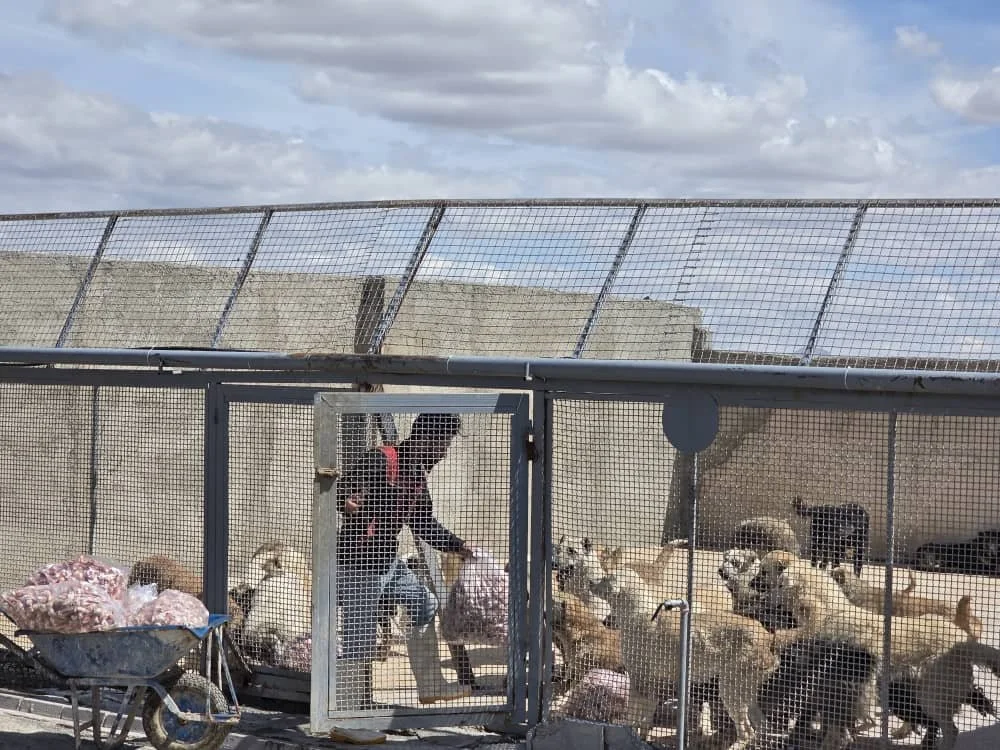
New rescues arrive daily — many injured, starved, or traumatized — forcing the team to stretch limited space, resources, and medical care to their limits.Feeding such a large population is a daily challenge in itself. For animals recovering from illness or unable to eat dry food, the staff prepare warm meals from inexpensive local ingredients such as chicken feet, beef bones, and other by-products, boiled into broth for nourishment and comfort. It is time-consuming, exhausting work — done entirely by hand, day after day.
Despite the overcrowding, every animal receives attention, care, and a place to belong. Each one represents the belief that life, no matter how small or difficult, is worth protecting.
-
In a society where dogs are often viewed as impure, shelters like Pardis face ongoing stigma and misunderstanding.
Zhila and her team have endured harassment and hostility simply for protecting animals. Yet, they continue with extraordinary courage — choosing compassion over fear, every single day. -
Extreme weather, aging infrastructure, and the high cost of basic utilities make shelter management a daily struggle.
While water, fuel, and electricity are available, they are expensive and often unreliable. During Tabriz’s long, snowy winters, freezing temperatures and limited heating options threaten the animals’ safety. In summer, scorching heat demands constant shade and water management.
The team works tirelessly year-round to repair kennels, maintain power and water supplies, and keep thousands of animals warm, cool, and fed — no matter the season.
How TBBF Supports Pardis Shelter
-
Through its OFAC-compliant humanitarian framework, Tails Beyond Borders Foundation helps Pardis Shelter access lifesaving resources such as food, medicine, and veterinary equipment.
All items are distributed strictly for humanitarian use, with full documentation and accountability for every delivery. -
TBBF manages the complex licensing and reporting requirements needed for lawful cross-border aid.
By handling all communications with the U.S. Treasury’s Office of Foreign Assets Control (OFAC), TBBF ensures that donors, volunteers, and partner shelters remain fully protected while aid reaches animals safely and legally. -
Many shelters in crisis regions remain unseen.
TBBF amplifies Pardis Shelter’s voice by sharing verified stories, rescue updates, and educational campaigns that challenge stigma and inspire compassion across borders.
Visibility brings empathy — and empathy brings change. -
Beyond emergency relief, TBBF works with Pardis to strengthen its long-term resilience.
This includes helping refine internal management systems, connecting with international partners, and identifying sustainable funding pathways so the shelter can continue its work for years to come. -
For TBBF, compliance is not a barrier to compassion — it is what makes compassion sustainable.
Every collaboration with Pardis Shelter is grounded in transparency, accountability, and shared humanitarian purpose, ensuring that love can move through lawful channels to reach those who need it most.